This article may contain affiliate links. If you buy through our links, we may earn a commission at no extra cost to you.
In This Article
Why High-Quality Garden Clogs Are Essential
Stepping into your garden should be a ritual of peace and connection with nature, but discomfort can quickly ruin the experience. Finding the best garden clogs for gardening is about more than just keeping your feet clean; it is about providing the stability and support needed for hours of planting, weeding, and maintenance. At Klinta Garden, we believe your gear should be as functional as it is beautiful, ensuring you can focus on your beginners guide to starting a home garden without worrying about sore feet or soaked socks. Whether you are tending to your raised bed gardening tips for beginners or moving supplies around, the right pair of clogs makes every task feel lighter and more intentional.
Key Features to Look for in Garden Footwear
The primary reason to invest in specific garden footwear is protection against the elements and potential hazards. When you are working in moist soil or damp grass, standard sneakers or sandals often fail to keep your feet dry. The best garden clogs for gardening are designed with waterproof materials that prevent mud and water from seeping through. Beyond moisture, a sturdy pair of clogs acts as a shield against sharp garden debris, stray thorns, or accidental encounters with tools like best gardening trowels. By choosing footwear dedicated to your outdoor space, you also maintain the cleanliness of your home by keeping muddy soles strictly outdoors, a practice that aligns perfectly with our minimalist Scandinavian outdoor philosophy.
Durability and Material Considerations
When evaluating potential purchases, look for materials that prioritize flexibility and ease of movement. Many modern gardening clogs are crafted from high-grade, lightweight EVA foam or natural rubber. These materials offer a balance between rigidity, which protects your feet, and flexibility, which allows for a natural gait while navigating uneven terrain. You should also consider the tread pattern on the outsole. A deeper, aggressive tread is essential if you work on slopes or soft, muddy ground, while a flatter, wider sole works well for paved paths or greenhouse floors. Check our recommended products page to see which brands have passed our rigorous testing for grip and reliability in varied seasonal conditions.
Ergonomics and Arch Support for Long Days
Durability is a non-negotiable factor when you are spending multiple days a week in the dirt. Look for clogs that feature a reinforced toe box and a seamless construction. Seamless designs are particularly beneficial because they prevent the 'weak spots' where water or soil might otherwise leak in. Natural rubber often offers the highest level of longevity and resistance to punctures from garden tools or sharp twigs. While foam clogs are fantastic for their lightweight nature, they may wear down faster if you are doing heavy-duty work involving best garden cultivators or dense landscaping. Investing in a durable pair ensures you will not be replacing your footwear every single season, keeping your garden budget focused on your plants.
Breathability and Maintenance of Garden Clogs
Gardening is essentially a physical workout that involves constant standing, kneeling, and walking. If your footwear lacks proper arch support, you may find yourself suffering from fatigue before you have even finished your seasonal gardening checklist for better harvests. The best garden clogs for gardening often feature removable, ergonomically designed insoles that provide shock absorption for your heels and support for your arches. If you suffer from joint pain, prioritize models that offer extra cushioning at the heel. A secure back strap is also helpful; it ensures that your heel remains planted in the shoe while you move, reducing the strain on your feet and ankles that comes from trying to 'grip' the bottom of the shoe with your toes.
Style Meets Function in Your Garden
A common complaint regarding rubber or plastic garden clogs is that they can become hot and stuffy during the height of summer. To combat this, look for clogs with strategic ventilation ports or perforated uppers that allow air to circulate while still keeping out larger debris like mulch or pebbles. If you prefer a fully enclosed style, ensure that the inner lining is moisture-wicking and antimicrobial to prevent odors and irritation. Easy maintenance is the secondary benefit of these designs; most garden clogs can be hosed down after a long day of working with your best ergonomic garden forks and will be dry and ready for use by the next morning.
How to Care for Your Gardening Footwear
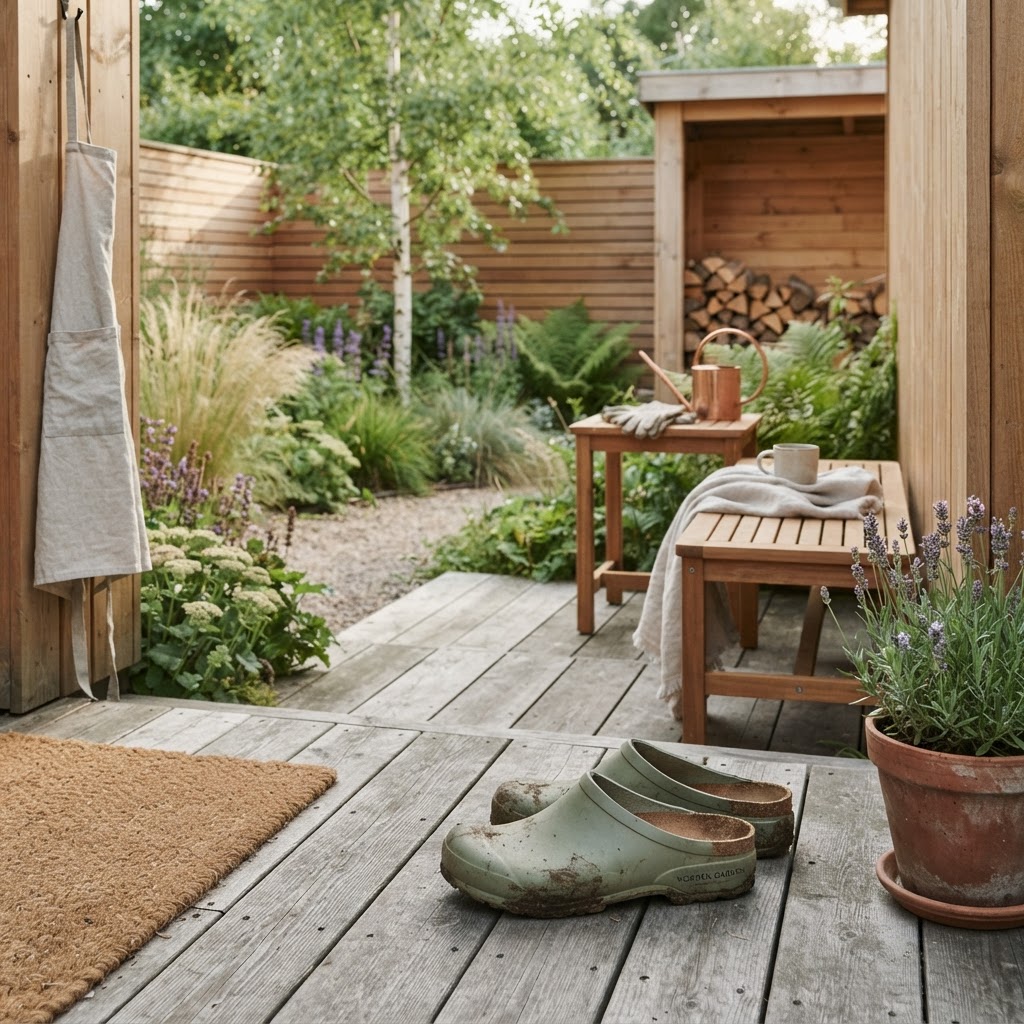
Function does not have to come at the expense of aesthetics. Scandinavian design principles emphasize clean lines and earthy tones, which can easily translate to your garden attire. Many manufacturers now produce stylish, matte-finish clogs in shades of sage green, slate grey, or deep navy, allowing your gear to blend seamlessly into your garden environment rather than sticking out like a sore thumb. Whether you are pairing them with a simple apron or your heavy-duty work clothes, choosing a pair that reflects your personal style makes the time spent in your garden feel more curated and personal. It is just another way to ensure your outdoor space remains a beautiful retreat from the world.
To extend the life of your new footwear, adopt a simple cleaning routine. After each use, rinse off any thick mud with a garden hose or a gentle spray from your best garden hose nozzles. If they are especially dirty, a quick scrub with a soft-bristled brush and mild soap will do the trick. Avoid leaving your clogs in direct, harsh sunlight for extended periods, as UV rays can cause some materials, particularly certain rubbers, to degrade or crack over time. When not in use, store them in a cool, shaded area, perhaps near your storage shed alongside other essentials from our best outdoor storage solutions. Proper storage ensures your gear stays in top condition for years.
Frequently Asked Questions
Recommended Products
Looking for products we personally recommend for this niche?
See our complete list of trusted tools and recommended products.
Browse Recommended Products