This article may contain affiliate links. If you buy through our links, we may earn a commission at no extra cost to you.
In This Article
Why You Need a Garden Lighting Timer
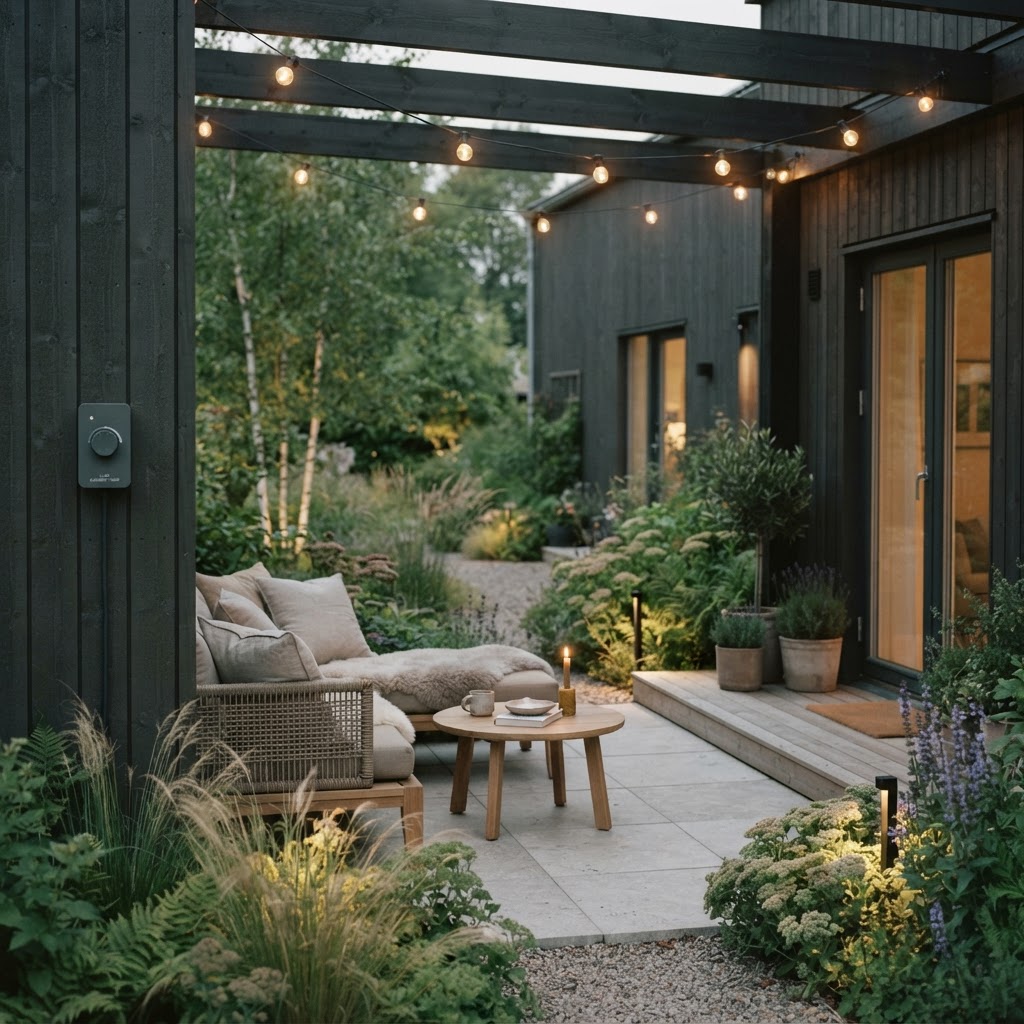
At Klinta Garden, we believe your outdoor space should be as functional as it is beautiful, especially as the sun begins to set. Whether you are aiming for a soft, Scandinavian-inspired glow or robust security, finding the best garden lighting timer is essential for maintaining that perfect atmosphere without needing to step outside. Automating your lights not only saves energy but also ensures your pathways and best solar garden lights are always on when you need them most, providing both comfort and peace of mind during those long, dark evenings.
Types of Outdoor Lighting Timers
The primary advantage of using a dedicated timer for your outdoor illumination is the sheer convenience and energy efficiency it provides. Instead of manually switching your outdoor string lights on and off, a reliable timer ensures your garden is perfectly illuminated exactly when you want it to be. This is particularly useful for those who want to enhance the security of their homes by giving the appearance of occupancy even when they are away. By automating your lighting schedule, you avoid the common oversight of leaving lights burning throughout the day, which significantly reduces your electricity bill and extends the lifespan of your bulbs. For those who enjoy hosting, having a garden that automatically comes to life at dusk adds a touch of magic to your social gatherings without requiring any effort on your part, allowing you to focus on your guests rather than your switches.
Key Features to Consider Before Buying
When searching for the best garden lighting timer, you will encounter several types designed for different needs and hardware setups. Mechanical timers are a classic, budget-friendly option that uses a rotating dial to set specific ON/OFF cycles. While simple and reliable, they can be a bit noisy and offer less precision than modern alternatives. Digital timers, on the other hand, provide much higher accuracy and often feature programmable settings for different days of the week, which is ideal if you have a varying schedule. Photocell timers are particularly popular for garden use because they respond to natural light levels, automatically switching your lights on at dusk and off at dawn. Finally, for the tech-savvy gardener, smart timers offer app-based control and voice integration. If you are just starting out with outdoor automation, browsing our recommended products can help you identify which type fits your existing lighting setup, whether you have simple spikes or complex best landscape lighting kits.
Placement and Installation Tips
Before making your purchase, it is vital to evaluate a few core features that differentiate a mediocre timer from the best garden lighting timer for your property. First, verify the IP (Ingress Protection) rating; for outdoor use, you need a unit rated for wet or damp locations to prevent short-circuiting during heavy rainfall. Additionally, consider the wattage capacity of the timer, especially if you are connecting multiple sets of lights or high-powered fixtures. If you plan to use multiple timers, ensure they have a compact design so they do not block adjacent outlets. It is also worth looking for units that offer a 'random' or 'vacation' mode, as this creates a more natural lighting pattern that is effective at deterring potential intruders. Many gardeners find that having a dedicated manual override switch is a lifesaver when you need to bypass your programmed schedule for a late-night project or unexpected party. Checking these technical specifications prevents frustration down the line and ensures your investment lasts for many seasons.
Integrating Timers with Smart Home Systems
Proper installation is the secret to a long-lasting lighting system. Even if you choose a model built for the outdoors, it is best practice to install your timer in a sheltered area, such as under an eave or inside a protective cover, to minimize direct exposure to harsh weather elements. If you are working on a new seasonal gardening checklist for better harvests, consider coordinating your lighting setup alongside your planting. Ensure that your power source is protected by a GFCI (Ground Fault Circuit Interrupter) outlet to prevent electrical shocks. When setting up your wires, keep them tucked neatly behind pots or along pathways to avoid tripping hazards, perhaps hiding them near your best planters for balcony displays. A well-organized setup not only looks cleaner but also protects the integrity of your timer’s connection points. Remember that the best garden lighting timer is one that stays dry and secure, so take the time to mount it properly rather than leaving it resting directly on damp soil.
Maintenance and Weatherproofing
Integrating your lighting into a smart home ecosystem has never been easier, and it offers unparalleled control over your garden’s ambiance. Many modern smart plugs and outdoor timers are compatible with voice assistants like Alexa or Google Home, allowing you to trigger your garden lights with a simple command. This integration is perfect for adjusting your lighting on the fly if a dinner party runs later than expected or if you decide to have a quiet evening in the garden. Furthermore, smart systems often allow for 'geofencing,' where your lights turn on automatically as your phone enters the Wi-Fi range of your home. This is a massive upgrade over traditional timers. If you are already utilizing tools like top garden design software to plan your yard, consider how your lighting zones will fit into that digital plan. Modern technology makes it possible to segment your lighting, ensuring that the lights near your best outdoor fire pits are on a different schedule than your security pathway lights.
Best Practices for Seasonal Lighting
To ensure your lighting system remains operational throughout the year, regular maintenance is non-negotiable. Inspect your timer housing for any signs of water intrusion or physical damage, especially after severe storms or freezing winter temperatures. If you live in a climate with heavy snowfall, it is wise to clear debris from around your power sources. Periodically check the timer’s settings to ensure they haven’t been affected by a power outage or a battery backup failure. If your timer uses a physical dial, a quick cleaning with a damp cloth can prevent grit from affecting the mechanism. For those who use best solar garden lights in conjunction with hardwired systems, keep the solar panels clean to ensure maximum battery charge. By treating your lighting components with the same care as your best ergonomic garden trowels, you will significantly extend the life of your equipment and keep your garden looking its best throughout the year.
As the seasons change, so too should your lighting schedule. During the winter months, when the days are shorter, you may want your lights to come on earlier in the afternoon to maximize comfort and safety. Conversely, during the long summer days, your timer might be better set to trigger only after full darkness hits, preventing unnecessary energy consumption. Keep an eye on your seasonal gardening checklist for better harvests; as you bring in sensitive plants or adjust your patio furniture, it is the perfect time to tweak your lighting timers. If you have recently upgraded your setup with best weather proof patio furniture, you might want to consider adding soft ambient lighting timers that create a warmer, more inviting glow around your seating areas. Constant adjustment ensures that your garden remains a reflection of the season, helping you make the most of every hour spent outdoors, whether you are harvesting vegetables or simply enjoying the evening breeze.
Frequently Asked Questions
Recommended Products
Looking for products we personally recommend for this niche?
See our complete list of trusted tools and recommended products.
Browse Recommended Products