This article may contain affiliate links. If you buy through our links, we may earn a commission at no extra cost to you.
In This Article
Understanding the Basics of Landscape Lighting
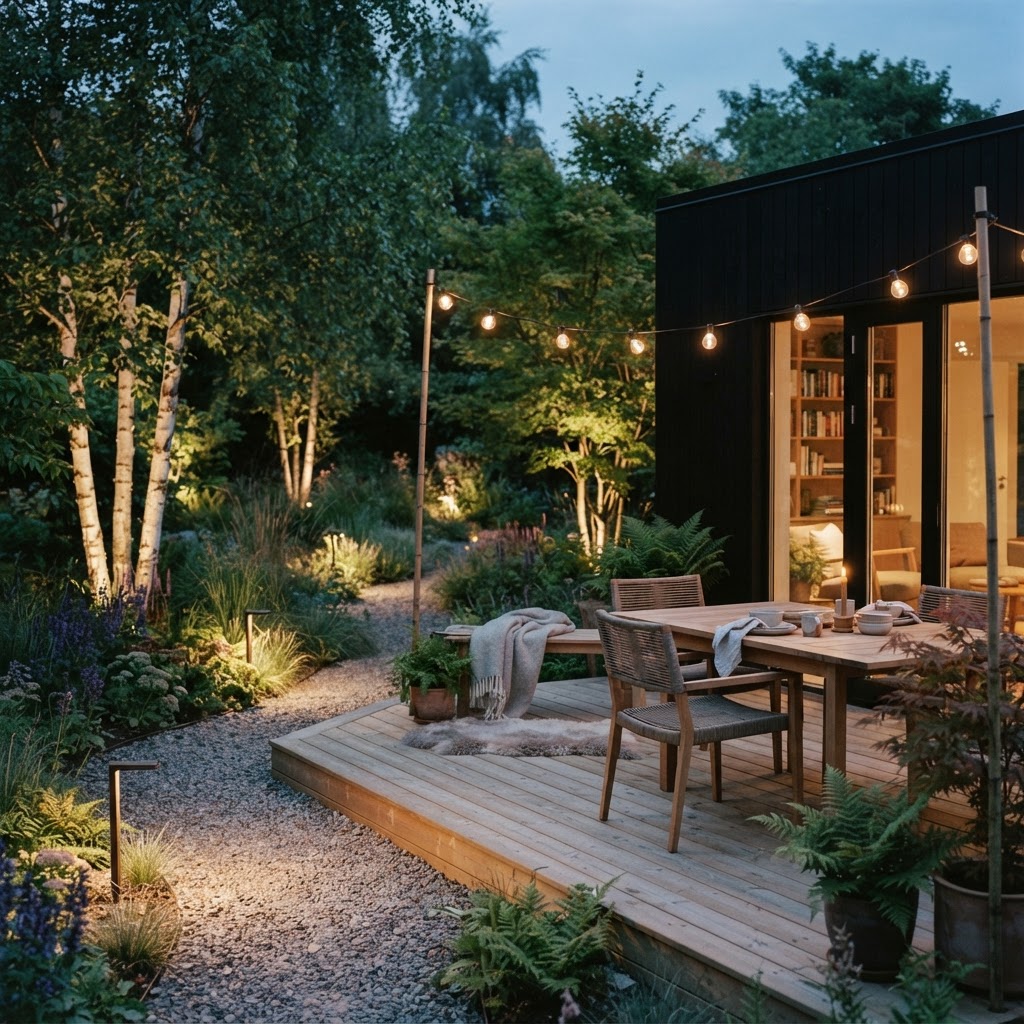
When the long shadows of evening stretch across your lawn, the right illumination can turn your garden into a serene sanctuary that feels quintessentially Nordic. Achieving the perfect balance between safety and aesthetics begins with finding the best landscape lighting kits. These all-in-one solutions remove the guesswork from electrical planning, allowing you to highlight your favorite paths and features with minimal fuss. Much like focusing on best gardening tools for beginners, selecting the right lighting setup is a foundational step in your outdoor design journey.
At Klinta Garden, we believe that your outdoor space should be as inviting as your living room. Whether you are navigating your way to a greenhouse or simply enjoying the twilight air, a well-lit path is essential for comfort. If you have been busy with seasonal-gardening-checklist-for-better-harvests, adding lights will finally let you appreciate your hard work long after the sun goes down. Explore our recommended products to find a kit that matches your unique style.
Benefits of Installing Landscape Lighting Kits
Before diving into specific models, it is helpful to understand how these systems function. Most high-quality landscape lighting kits are categorized by their power source and connectivity. Low-voltage systems are generally preferred for permanent installations, offering consistent light output and superior weather resistance compared to cheaper alternatives. As you integrate these lights into your landscape, consider how they interact with other features like best solar garden lights or decorative elements. Understanding your transformer requirements and cable length is just as important as knowing how often should you water your garden because it impacts the overall success and durability of your outdoor setup.
Key Features to Look for in Lighting Kits
Investing in the best landscape lighting kits provides immediate benefits that go beyond simple visibility. A well-illuminated garden creates a sense of depth, making even small areas appear larger and more welcoming during the dark months. This creates a cozy atmosphere that perfectly complements buying-outdoor-furniture-tips for your patio. Furthermore, professional-looking lights add value to your property and provide essential security by deterring unwanted intruders. If you enjoy hosting guests, adding these lights alongside outdoor-string-lights can elevate your evening entertaining to a whole new level of sophistication, ensuring your guests always feel welcome.
Choosing Between Solar and Low-Voltage Systems
When evaluating the market, look for kits that prioritize robust materials like die-cast aluminum or brass, which withstand harsh weather better than plastic. The quality of the LED chips is another vital factor, as it determines the light warmth and lifespan of the bulbs. While shopping, it is helpful to cross-reference your choices with our recommended products to ensure you are getting reliable components. Much like choosing the right substrate, such as when researching how-to-improve-garden-soil-naturally, the quality of your lighting hardware will dictate how much maintenance you need to perform. Always check the ingress protection (IP) rating to ensure the lights are properly shielded against heavy rain or snow, keeping your garden glowing year-round.
Design Tips for Achieving a Scandinavian Glow
The debate between solar and low-voltage systems often comes down to convenience versus performance. Solar kits are incredibly easy to install and require no wiring, making them a fantastic choice for DIY enthusiasts who have already mastered container-gardening-ideas-for-small-spaces. However, low-voltage systems remain the industry standard for path illumination because they provide constant brightness regardless of cloud cover. For those who want the best of both worlds, you might integrate solar options into areas where trenching is difficult while keeping the main entrance well-lit with a hardwired system. For further inspiration, consider how your lighting choices align with your broader goals, such as those discussed in our guide on beginners-guide-to-starting-a-home-garden.
Installation and Maintenance Best Practices
Scandinavian garden design relies on 'hygge,' the concept of coziness and contentment. To achieve this in your lighting layout, opt for warm-temperature LEDs (around 2700K to 3000K) that mimic the soft glow of a candle or firelight. Avoid harsh, blue-tinted lights that feel cold and clinical. You can enhance the effect by focusing light on natural textures, such as stone pathways or thick foliage, similar to how one might arrange plants according to best-vegetables-to-grow-in-a-small-garden. By casting a gentle, downward-facing glow, you minimize glare and create a tranquil atmosphere that invites you to step outside. If you are also setting up an area for social gatherings, look at best-outdoor-fire-pits to complete your evening retreat.
Top Considerations for Path Safety and Longevity
Installing these kits is often easier than expected, usually involving simple stake-in-the-ground fixtures and low-voltage cable that can be buried just beneath the mulch. Safety is paramount, so always ensure that your transformer is connected to a GFCI-protected outlet. After the initial setup, maintenance involves simple tasks like clearing debris from the lenses or replacing burnt-out LEDs once every few years. This maintenance rhythm is quite manageable, similar to the regular care required for easy-composting-tips-for-home-gardeners. Regular checks ensure your paths stay clear of tripping hazards during those long winter nights, keeping your garden safe and functional through every season.
Finally, consider the long-term utility of your lighting path. Proper spacing is the secret to a professional look; lights placed too closely will create an overwhelming effect, while those placed too far apart will leave dark, unsafe spots. A good rule of thumb is to stagger the lights on either side of the path to create a balanced, winding effect. As you refine your outdoor space, remember that the best landscape lighting kits are those that grow with your garden. By taking the time to plan your layout carefully, you create an enduring environment that feels both natural and thoughtfully curated, a perfect reflection of Scandinavian simplicity.
Frequently Asked Questions
Recommended Products
Looking for products we personally recommend for this niche?
See our complete list of trusted tools and recommended products.
Browse Recommended Products