This article may contain affiliate links. If you buy through our links, we may earn a commission at no extra cost to you.
In This Article
The Absolute Essentials: Your First Hand Tools
Welcome to the exciting world of gardening! If you're just starting out, the sheer variety of tools available can feel overwhelming. At Klinta Garden, we believe that starting with the right essential gardening equipment is key to a rewarding and enjoyable experience. You don't need a shed full of gadgets to cultivate a beautiful and productive outdoor space. In fact, many successful gardeners rely on a core set of reliable hand tools and a few practical implements.
This comprehensive guide is designed to cut through the clutter and highlight the best gardening tools for beginners. We'll walk you through the absolute essentials, explaining what each tool is for and why it's a must-have for your initial gardening ventures. Whether you're planning a small herb patch, a vibrant flower bed, or even a raised bed garden, having the right gear will make all the difference, transforming potentially frustrating tasks into satisfying achievements. Let's dig in and equip you for gardening success!
Prepping the Ground: Tools for Soil and Beds
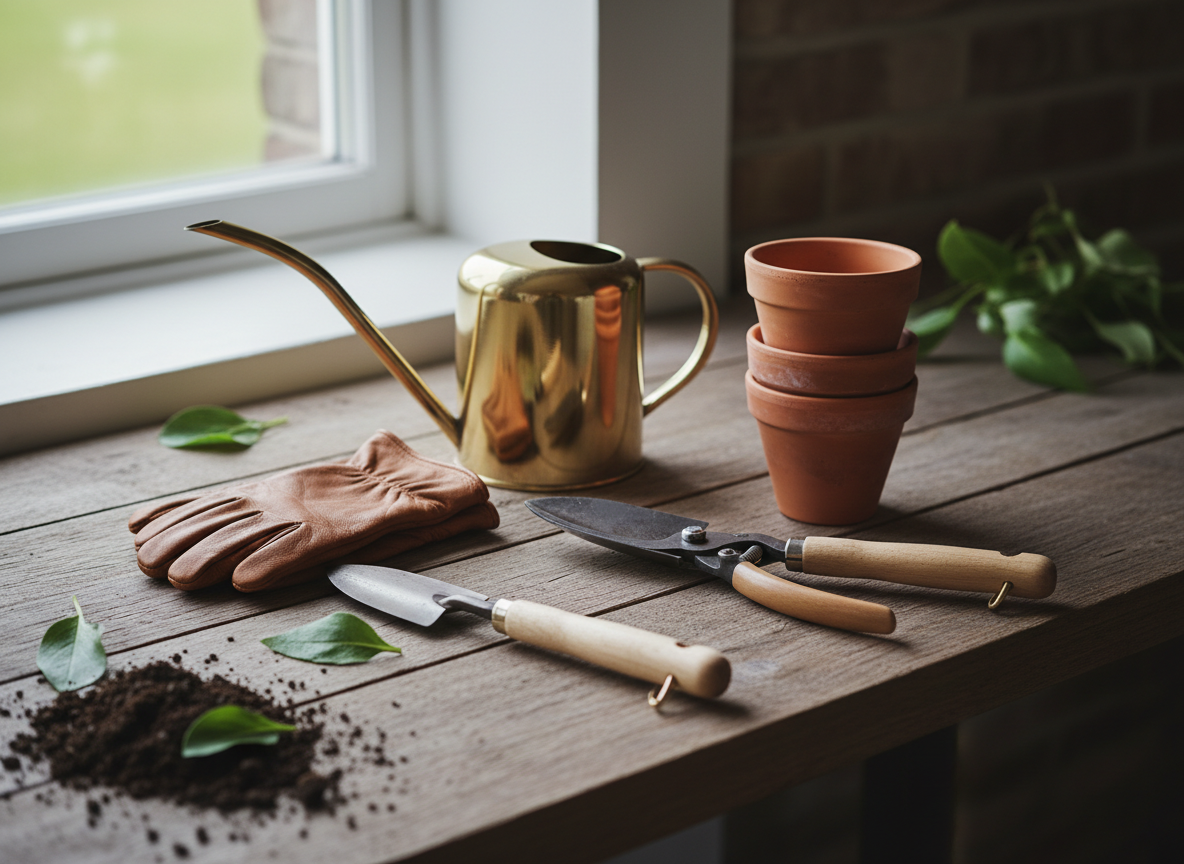
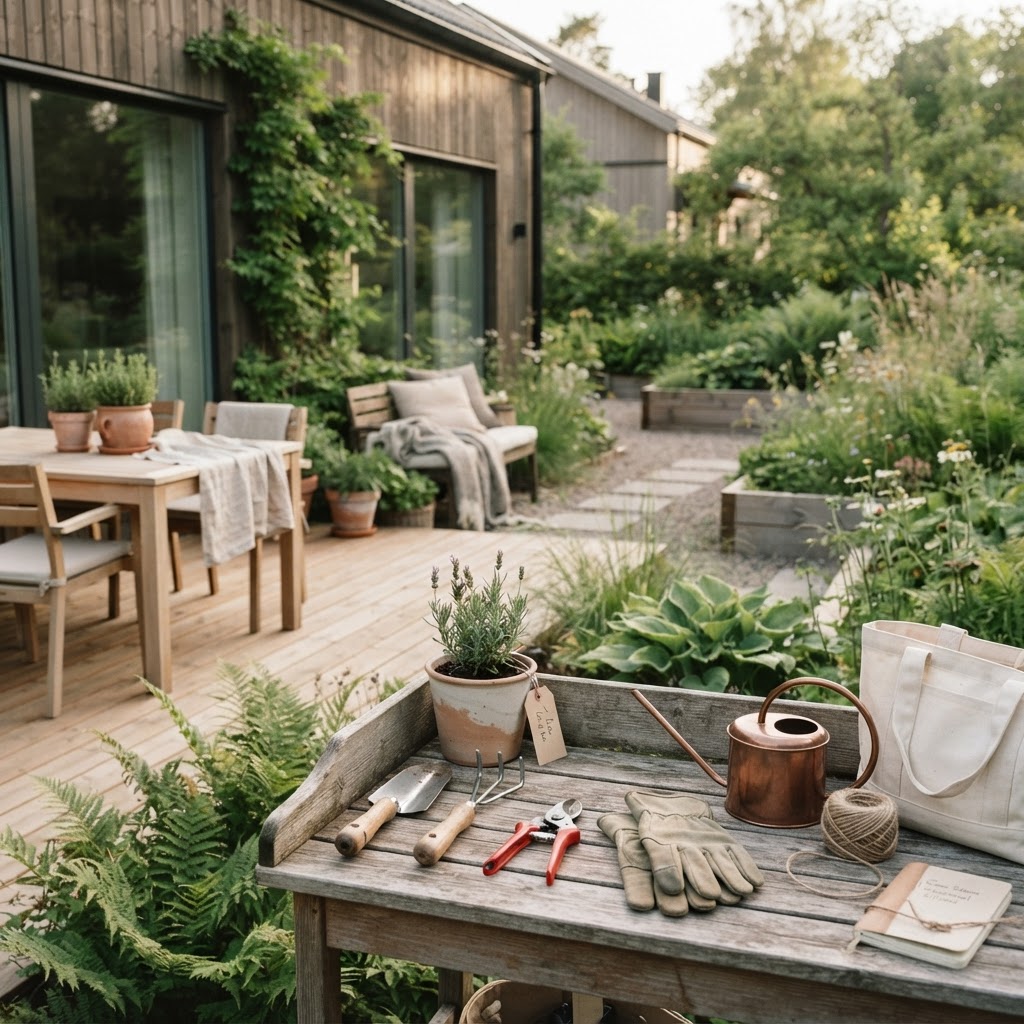
When you're gathering your first gardening tools for beginners, start with the handheld basics that will see the most action. A sturdy hand trowel is indispensable for digging small holes for planting, transplanting seedlings, and scooping soil. Look for one made from durable stainless steel with a comfortable handle. Companion to the trowel is a hand fork, perfect for breaking up compacted soil, aerating, and weeding in tight spaces. These two tools will be your best friends for most close-up garden work. Invest in good quality, as they will endure countless hours of use and become extensions of your hands.
Keeping Plants Hydrated: Watering Tools
Another crucial tool in your initial arsenal of gardening tools should be a reliable pair of hand pruners (also known as secateurs). These are essential for deadheading spent flowers, trimming small branches, and harvesting some vegetables or herbs. For beginners, bypass pruners are generally recommended as they make clean, precise cuts, vital for plant health. Ensure they fit comfortably in your hand and have a safety lock. Clean cuts help prevent disease and promote vigorous growth, making this tool fundamental for maintaining the health and beauty of your plants.
Tidying Up: Pruning and Weeding Tools
Preparing your soil is a foundational step for any successful garden, and having the right tools makes this much easier. A good spade or shovel is paramount for digging larger holes, turning over soil, and moving garden materials like compost or mulch. For general garden digging, a round-point shovel is versatile, while a flat-head spade is excellent for edging or slicing through sod. When selecting these gardening tools, consider the material of the blade and the length and comfort of the handle. Ergonomic designs can significantly reduce strain during heavy work. Pair these with a sturdy garden fork, which is excellent for breaking up dense soil, aerating, and spreading compost evenly. Using the right tools for soil preparation will lay a strong foundation for healthy plant growth.
Comfort and Protection: Essential Gear for the Gardener
Rakes and hoes are your allies for clearing debris, leveling soil, and tackling weeds. A bow rake, with its sturdy, short tines, is ideal for smoothing soil surfaces, spreading mulch, and gathering leaves or small garden debris. For more delicate work or working between plants, a hand rake can be very useful. As for hoes, a sturdy garden hoe is excellent for cultivating soil, creating furrows for planting, and – most importantly – weeding. There are various types, such as the collinear hoe for precision weeding, but a standard garden hoe is a great starting point for preparing your garden soil and keeping it tidy. Look for models with comfortable handles and sharp, durable blades to minimize effort.
Beyond the Basics: Expanding Your Tool Kit
Consistent and effective watering is vital for plant health, especially for beginner gardeners. A good quality watering can is essential for delivering water precisely to seedlings and smaller plants, or for container gardens. Look for one with a fine rose (sprinkler head) attachment to provide a gentle, even shower, preventing soil erosion and protecting delicate plants. For larger garden beds, a garden hose with an adjustable spray nozzle is indispensable. A nozzle with various settings allows you to switch between a gentle mist for young plants and a stronger stream for established shrubs. Understanding how often to water your garden is crucial, and having these tools ensures you can do it effectively.
Maintaining Your Investment: Tool Care Tips
Beyond just the tools for your plants, investing in personal comfort and protection is a smart move for any new gardener. A durable pair of gardening gloves is non-negotiable. They protect your hands from thorns, blisters, dirt, and harsh chemicals. Look for gloves that are waterproof, breathable, and offer good dexterity. Different tasks might call for different types; for instance, rose gloves offer extra arm protection. Additionally, a comfortable kneeling pad or a garden kneeler bench will save your knees from strain and discomfort, making long hours of weeding or planting much more enjoyable. Don't underestimate the value of protecting yourself while you work.
As you become more confident in your gardening skills, you might consider expanding your tool kit beyond the initial essentials. A wheelbarrow or garden cart is incredibly useful for moving soil, compost, plants, and tools around your garden, saving you countless trips and backaches. For lawn care, a leaf rake or a push mower might become necessary. If you're tackling larger pruning tasks, loppers or a pruning saw can handle thicker branches that hand pruners cannot. These tools enhance efficiency and allow you to take on bigger projects, truly transforming your gardening capabilities and making tasks easier.
Once you’ve acquired your best gardening tools for beginners, knowing how to care for them will ensure they last for years to come. After each use, clean off any soil, sap, or debris. A stiff brush and a hose are usually sufficient. For metal tools, drying them thoroughly prevents rust. Periodically, oiling metal parts, especially pruner blades, with a light machine oil can extend their lifespan. Sharpening blades on pruners, hoes, and spades will maintain their effectiveness, making cuts cleaner and digging easier. Proper storage, such as hanging tools in a shed or garage, keeps them organized and protected from the elements, ensuring they are always ready for your next gardening adventure.
Frequently Asked Questions
Recommended Products
Looking for products we personally recommend for this niche?
See our complete list of trusted tools and recommended products.
Browse Recommended Products