This article may contain affiliate links. If you buy through our links, we may earn a commission at no extra cost to you.
In This Article
Understanding Ergonomic Design in Pruning Saws
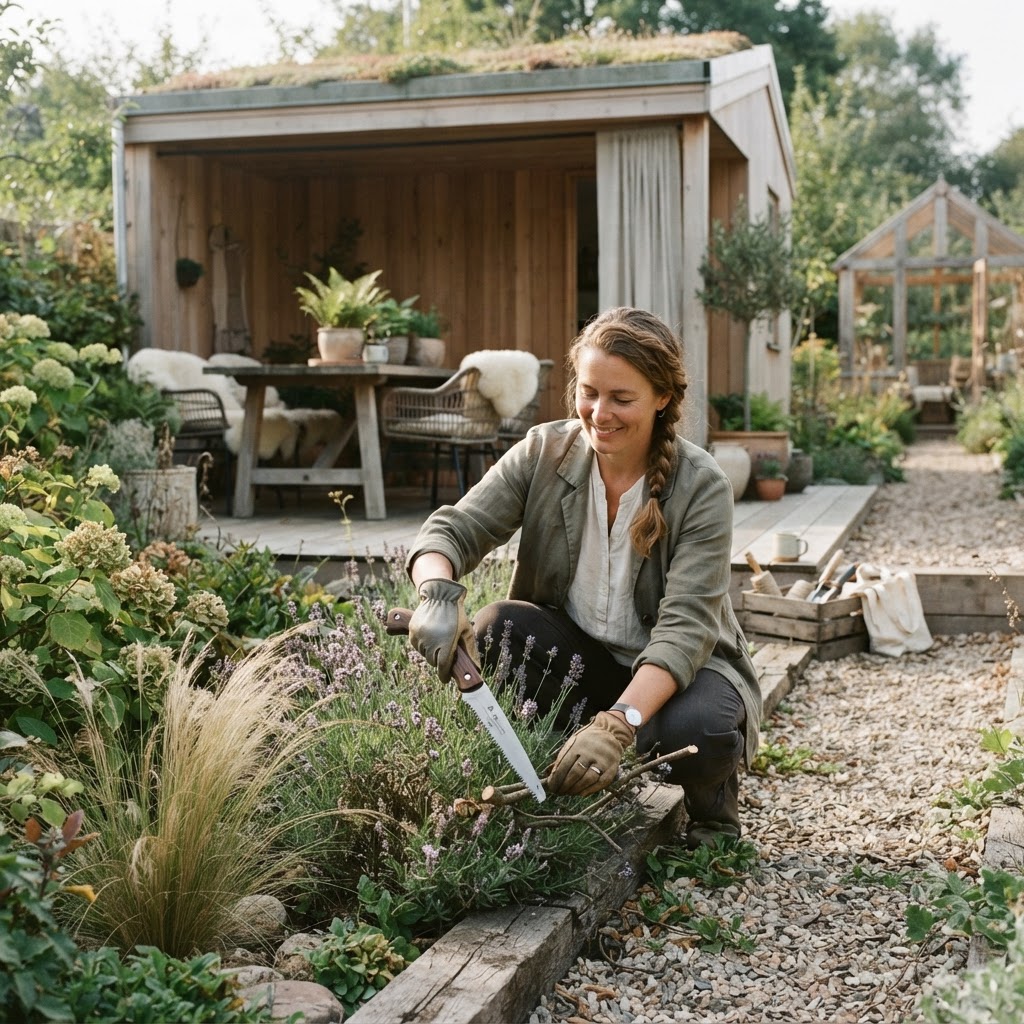
Maintaining a pristine garden requires the right tools, especially when you are tasked with clearing heavy branches that defy standard shears. At Klinta Garden, we believe that gardening should be a joy, not a physical strain, which is why choosing the best ergonomic pruning saws is essential for every enthusiast. If you are just starting, you might also want to consult our beginners guide to starting a home garden to build a solid foundation for your outdoor space.
Key Features to Look for in a Pruning Saw
The core philosophy behind ergonomic design in gardening tools is to minimize strain on the wrist, elbow, and shoulder while maximizing cutting power. When dealing with heavy branches, a poorly designed tool can lead to repetitive strain injuries or premature fatigue, shortening your time in the garden. By utilizing advanced leverage mechanics and soft-touch materials, the best ergonomic pruning saws distribute force evenly, allowing you to slice through dense wood with minimal effort. This design focus is particularly vital for those who have spent years perfecting their green thumb and want to ensure their body remains as healthy as their plants. Before tackling large-scale projects, you might find it helpful to review our seasonal gardening checklist for better harvests to ensure your pruning happens at the ideal time of year.
Blade Geometry and Teeth Configuration
When evaluating the best ergonomic pruning saws, look beyond the price tag and focus on weight distribution and handle shape. A high-quality saw should feel like a natural extension of your arm, providing stability during both pull and push strokes. Many gardeners forget that a tool must be paired with protective gear, so consider pairing your new saw with items from our recommended products list to ensure you have the best protection available. Beyond the saw, if your landscape includes roses, you should ensure you are also using the best pruners for rose bushes to maintain the delicate balance of your flower beds. The ideal saw will have a curved blade to bite into branches easily and a locking mechanism that secures the blade firmly during transport, keeping you safe while navigating between different garden areas.
Handle Materials and Grip Technology
Blade geometry is perhaps the most important technical factor when choosing a saw for heavy-duty tasks. High-carbon steel blades are industry standards because they hold an edge significantly longer than cheaper alternatives. The 'teeth' configuration matters immensely: impulse-hardened teeth stay sharp even after intensive use on hard or dead wood. When selecting a saw, consider the TPI (Teeth Per Inch) count. A lower TPI is generally better for faster, aggressive cutting through wet or green wood, while a higher TPI provides a smoother finish on delicate ornamental trees. For those interested in expanding their plant collection, our guide on container gardening ideas for small spaces can help you integrate pruning maintenance into a more compact, organized garden environment.
Maintenance Tips for Long-Lasting Saws
A handle is only as good as the material that coats it, and for ergonomic performance, soft-grip polymers or rubberized coatings are superior to hard plastic. These materials provide a non-slip surface, even when your hands are sweaty or wet from gardening activities. Some advanced models feature a D-handle design, which protects your knuckles and allows for two-handed operation if you are struggling with a particularly stubborn branch. If you find your hands tiring during long sessions, you might also benefit from our best garden gloves for rose pruning, which provide the necessary padding to complement your tool's ergonomic handle. Comfortable gear is the key to longevity in the garden, allowing you to enjoy the process of pruning rather than fearing the aftermath of muscle aches.
Safety Protocols When Cutting Heavy Branches
Maintaining your saw is just as important as the initial purchase. A dull blade is actually more dangerous than a sharp one because it requires more force to use, increasing the risk of slips. Always clean the resin and sap off your blade after use with a dedicated cleaner or a light oil; this prevents buildup that can cause the blade to bind in the cut. Much like how you need how to improve garden soil naturally for better plant growth, you must treat your tools with care to improve their performance over time. Storing your tools correctly is equally important, and you can explore our best outdoor storage solutions to keep your saws and other equipment protected from the elements year-round.
Top Ergonomic Picks for Your Garden Toolbox
Safety should never be compromised when working with heavy branches that require a saw. Always ensure you have a clear path behind you, and never attempt to prune a branch that is directly above your head without proper head protection. Many gardeners incorporate best heavy-duty loppers for branches that are thinner but still too thick for regular pruners, saving the saw specifically for the larger, heavier limbs. If you are preparing your garden for the winter, ensure that you follow the proper safety procedures to avoid injury. Keeping a tidy space is vital, and using tools like the best garden wheelbarrows makes it much easier to haul away pruned debris, keeping your walkways clear and safe for further movement.
Selecting the right equipment can transform your pruning routine from a chore into a satisfying ritual. We have curated a variety of high-performance tools that meet the criteria for ergonomic excellence and durability. Whether you are maintaining established hedges or taking down overhanging branches, the right tool ensures you maintain the health of your trees while keeping your garden aesthetic sharp and intentional. If you are planning a full garden renovation, don't forget to look into top garden design software to map out where your trees and shrubs should be pruned to maximize your space. For more specific tasks, check out our insights on best cordless hedge trimmers to round out your maintenance arsenal.
Frequently Asked Questions
Recommended Products
Looking for products we personally recommend for this niche?
See our complete list of trusted tools and recommended products.
Browse Recommended Products