This article may contain affiliate links. If you buy through our links, we may earn a commission at no extra cost to you.
In This Article
Understanding Your Storage Needs
Every thriving garden begins with a well-organized workspace. If you find your potting shed overflowing with tangled hoses and misplaced trowels, it might be time to upgrade your infrastructure. Investing in one of the best garden storage sheds is the single most effective way to protect your equipment from the elements while keeping your outdoor aesthetic clean and intentional. At Klinta Garden, we believe that a clutter-free environment is essential for a peaceful gardening experience. Whether you are following our beginners guide to starting a home garden or looking to house your recommended products, choosing the right structure will transform how you interact with your green space.
Material Matters: Wood, Metal, or Plastic?
Before browsing the market, take a moment to inventory what you actually need to store. Are you looking to keep your lawn mower safe, or do you need a dedicated space for your collection of best gardening tools for beginners? Think about the specific items that currently clutter your patio or garage. If you are deeply invested in raised bed gardening tips for beginners, you may need additional shelving for fertilizers and pots. A well-planned shed should accommodate not just your current inventory but also potential future additions. Consider the flow of your garden; the shed should be placed where it remains accessible but does not dominate your view. By assessing your needs early, you avoid purchasing a unit that is either too small to be useful or so massive that it shrinks your precious planting area.
Sizing Your Shed for Maximum Efficiency
The material of your shed is the defining factor for its lifespan and maintenance requirements. Wooden sheds offer a classic, warm aesthetic that fits perfectly with natural landscapes, though they require periodic staining or sealing to prevent rot. If you live in a rainy climate, prioritize treated timber or cedar. Conversely, metal sheds are champions of durability and security, making them excellent for storing expensive power tools like your best cordless hedge trimmers. Plastic or resin sheds have gained massive popularity because they are virtually maintenance-free and easy to assemble. They do not rust or peel, and many modern designs mimic the look of wood or stone. For those looking at recommended products, consider which material aligns best with your local weather patterns and your willingness to perform annual upkeep.
Scandinavian Design Principles for Your Shed
Size is often where gardeners miscalculate. A standard mistake is buying a shed that perfectly fits your current items without accounting for the extra elbow room needed to retrieve a best garden wheelbarrows or navigate shelves. Always measure your available plot and mark it out with string before committing to a purchase. If you have a compact backyard, vertical storage is your best friend. Look for sheds with high eaves or integrated loft spaces. By maximizing vertical space, you leave more room on the ground for larger items like your best robotic lawn mowers or bulky soil bags. Remember to leave enough clearance around the doors to fully open them, as a narrow entrance can make retrieving equipment during the busy seasonal gardening checklist for better harvests a frustrating chore.
Security and Durability Features
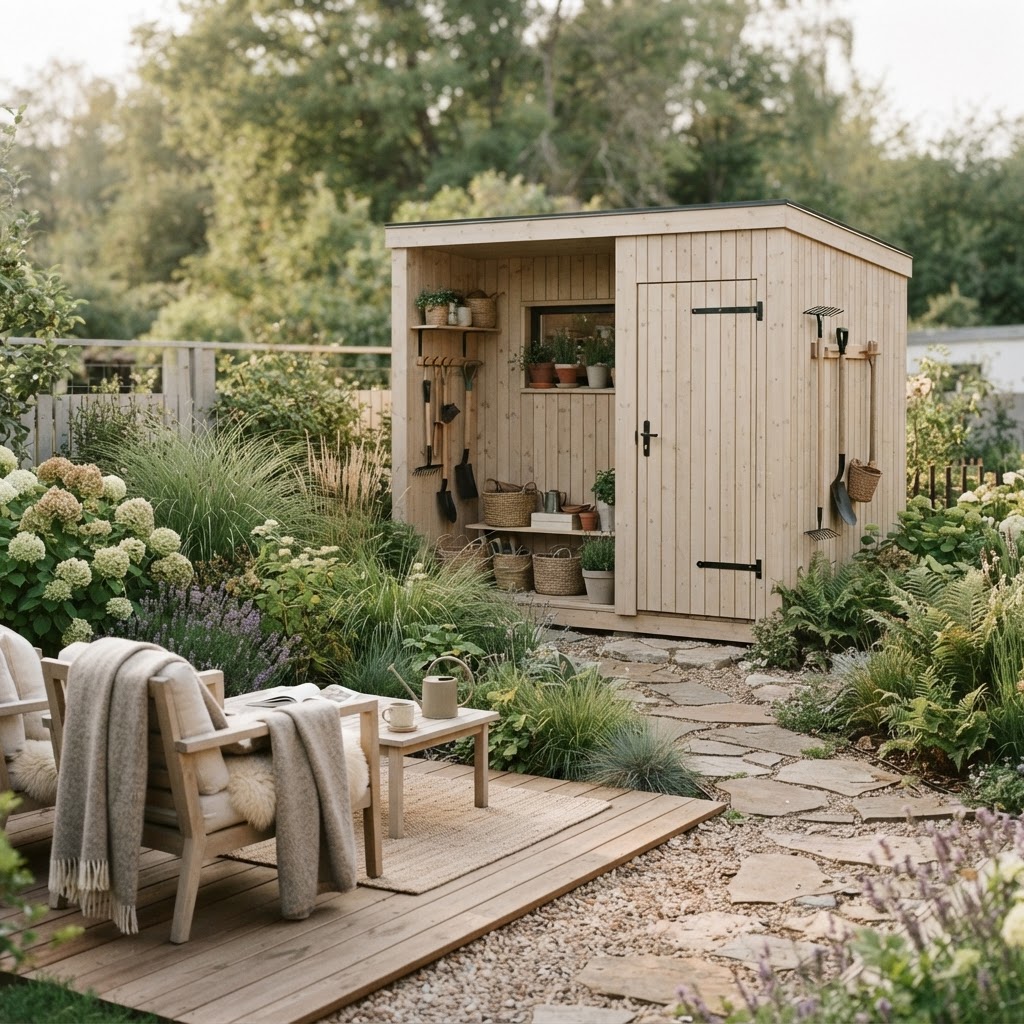
At Klinta Garden, we adore the Scandinavian approach to outdoor living: simple, functional, and deeply connected to nature. The best garden storage sheds in this category emphasize clean lines, neutral color palettes, and high-quality materials that blend into the environment rather than clashing with it. Look for sheds with slatted wood details or large windows that let in natural light, transforming a utility space into a beautiful garden studio. A shed should be a centerpiece of design, not just a box for junk. When selecting your structure, think about how it complements your best weather-proof patio furniture and creates a cohesive look across your yard. Minimalist design often utilizes hidden storage solutions, ensuring that your tools are tucked away neatly, allowing the beauty of your plants to take center stage.
Maintaining Your Outdoor Storage Investment
Your shed serves as a fortress for your expensive equipment, so security features are non-negotiable. Look for models with reinforced door frames, deadbolt locks, and non-removable door hinges. If you are storing high-value items, you might even consider adding a best solar security lights set near the entrance to deter pests and intruders. Durability is equally important, especially regarding the roof and foundation. A sloping roof is essential for shedding rainwater and snow effectively, preventing structural stress. Check for adequate ventilation as well; a shed without airflow can become a breeding ground for mildew, which is the last thing you want for your wooden handles or garden gloves. Quality hinges and weather-sealed gaps ensure that your tools stay dry and ready for action, whether you are pruning roses or prepping beds.
Installation Tips for Beginners
Once you have installed your shed, maintenance is the key to longevity. Even the most weather-resistant structures benefit from regular cleaning. Clear out dead leaves and debris from the roof gutters regularly to prevent water pooling. For wooden structures, a fresh coat of sealant every two years is vital to prevent warping. If you notice any rust spots on a metal unit, sand them down and apply a touch-up paint immediately to stop the spread. Organize your interior using wall-mounted racks to keep tools off the floor, which helps prevent moisture buildup. By incorporating these checks into your seasonal gardening checklist for better harvests, you ensure your storage solution remains in peak condition for years to come.
Installing a shed can be a straightforward weekend project if you have the right base. A level foundation is critical; without it, your doors will not close properly, and the structure may shift over time. Whether you choose a concrete pad, a gravel base, or pressure-treated timber skids, ensure it is completely flat and stable. Before you begin, gather your essential gear including a cordless drill and a level. If the assembly process feels daunting, look for flat-pack kits that arrive with pre-drilled holes. Always recruit a friend for the lifting portion, as large panels can be heavy and unwieldy. Proper anchoring is the final step; don't skip the stakes or masonry bolts required to secure your shed to the ground, especially if you live in a wind-prone area. Taking these precautions ensures your new shed remains a safe home for your gear.
A well-organized shed turns gardening from a chaotic task into a relaxing hobby. When you know exactly where your best pruning shears are, you spend less time searching and more time enjoying your blossoms. Think about installing modular shelving units that can grow with your needs. Labeling boxes for different seasons or specific tasks, such as sowing seeds or winterizing, keeps everything logical. Don't forget to include a small dedicated space for comfort items, like your favorite best garden clogs, so you are always ready to step out and tend to your sanctuary. By viewing your shed as a functional extension of your home rather than just a utility closet, you cultivate a better relationship with your garden and find more joy in every hour you spend outside.
Frequently Asked Questions
Recommended Products
Looking for products we personally recommend for this niche?
See our complete list of trusted tools and recommended products.
Browse Recommended Products