This article may contain affiliate links. If you buy through our links, we may earn a commission at no extra cost to you.
In This Article
Why Every Gardener Needs a Durable Apron
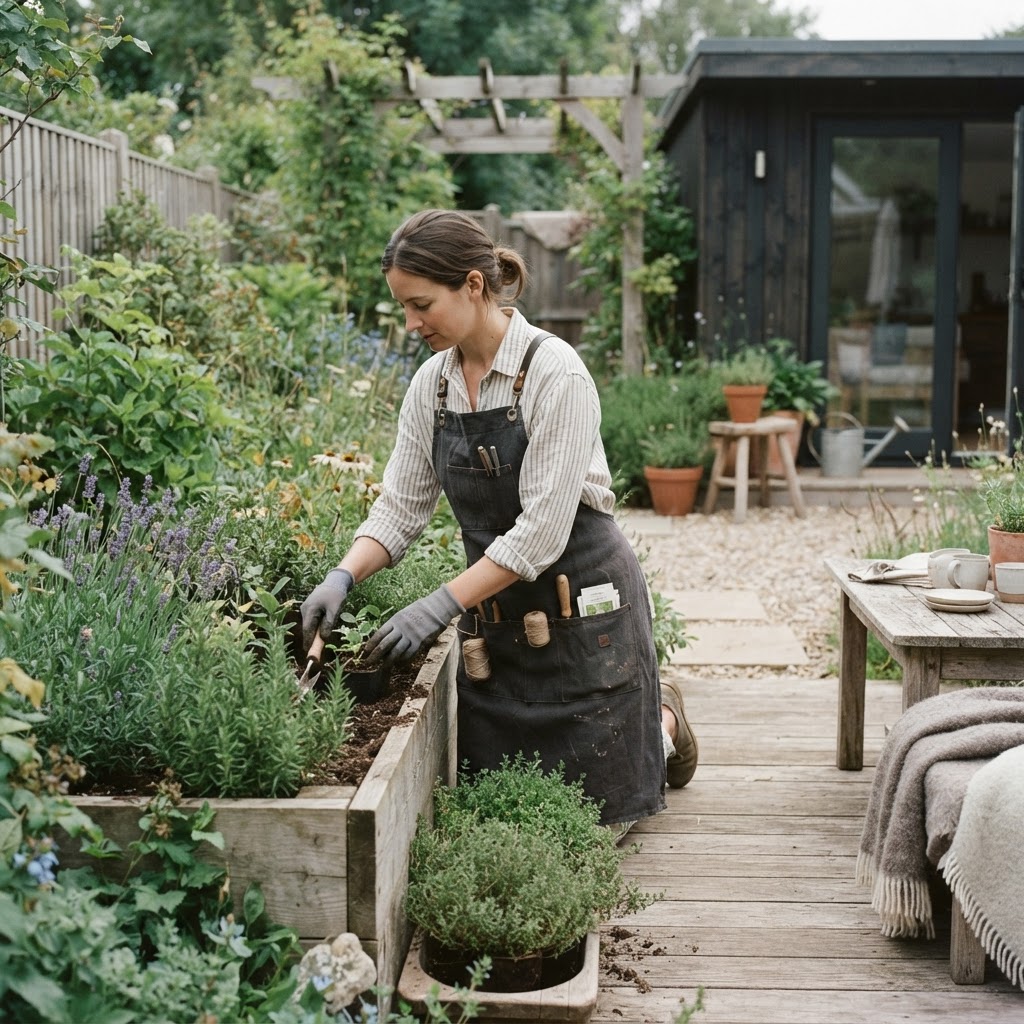
Transforming your backyard into a lush sanctuary often requires more than just passion and beginners-guide-to-starting-a-home-garden knowledge. As any seasoned Klinta Garden fan knows, the right gear makes all the difference when you are knee-deep in soil. The best gardening aprons with pockets serve as your primary workstation, keeping essential tools within arm's reach while protecting your clothes from dirt, sap, and thorns. Whether you are pruning delicate herbs or digging deep into your raised-bed-gardening-tips-for-beginners projects, a high-quality apron is an investment in both your efficiency and your comfort during long afternoons in the sun.
Key Features to Look for in a Gardening Apron
Beyond the aesthetic appeal, a high-quality apron acts as a shield against the elements and the messier aspects of horticulture. When you are busy with how-to-improve-garden-soil-naturally techniques, you are bound to end up with dirt in your pockets and stains on your shirt. A sturdy apron keeps your clothing clean, but more importantly, it provides a centralized location for your gear. By keeping your shears, markers, and twine in dedicated pockets, you minimize time spent searching for misplaced items. When you combine this with the right best-gardening-tools-for-beginners, you create a seamless flow in your workflow that helps you finish tasks faster, leaving more time to enjoy your garden's beauty.
Material Matters: Canvas vs. Synthetic Fabrics
When evaluating the best gardening aprons with pockets, functionality reigns supreme. You want deep, reinforced pockets that can securely hold heavy metal tools without ripping at the seams. Look for adjustable neck and waist straps, which allow you to customize the fit for maximum comfort. A well-designed apron should also feature loops for hanging items like hand trowels or even a small pair of best-long-reach-pruners. Ideally, the pockets should be positioned so that they don't swing wildly or snag on branches while you navigate through tight spaces. You can find several durable options featured on our recommended products page that prioritize both organizational capacity and longevity.
Selecting the Right Style for Your Garden Tasks
The choice of material often dictates how long your apron will survive in the harsh outdoor environment. Heavy-duty waxed canvas is the gold standard for many, as it offers water resistance and incredible durability against tears and abrasions. Synthetic fabrics like polyester blends are also popular because they are lightweight, breathable, and often easier to machine wash. If you frequently handle wet tasks or work in damp conditions, a waxed canvas option is likely your best bet, though you should check the care instructions carefully. For those living in warmer climates, a breathable cotton or linen-mix apron provides better ventilation, ensuring you don't overheat while performing essential maintenance like checking your best-organic-fertilizers-tomatoes applications.
Ergonomics and Comfort: Preventing Back and Neck Strain
Different garden tasks require different types of aprons. If you spend most of your time kneeling to maintain low-growing plants, you might prefer a waist-style apron that allows for greater movement in your upper body and doesn't pull on your neck. However, if your work involves a lot of vertical reach or if you're utilizing best-vertical-garden-systems, a full-body bib apron offers superior chest protection against dust and debris. Always consider whether you need a cross-back strap design, which helps distribute the weight of your tools more evenly across your shoulders, or a classic neck loop. Finding a balance between these styles is crucial for comfort, especially when pairing your apron with the best-gardening-gloves to keep your hands protected from blisters.
Caring for Your Gardening Apron
Weight distribution is the secret to wearing an apron for hours without ending the day with a sore back. The best gardening aprons with pockets often use wide, padded shoulder straps that prevent the material from digging into your trapezius muscles when your pockets are loaded with heavy clippers or seed packets. If you are prone to back strain, prioritize models that feature a waist belt that helps transfer some of the weight from your shoulders to your hips. We recommend reviewing the ergonomic designs listed in our recommended products guide to see how different straps influence comfort levels. Proper fit is as important as the tools you use, similar to how selecting the best-ergonomic-garden-trowels can drastically improve your overall stamina.
Top Features for Efficient Tool Management
Maintaining your gear is just as important as choosing it. To keep your apron in top condition, start by shaking off excess dirt after every use, which prevents grit from grinding into the fibers and causing premature wear. Most canvas aprons should be spot cleaned with a soft brush and mild soap rather than being thrown in the dryer, as high heat can damage the protective wax coating or cause shrinkage. If you opted for a synthetic apron, they are generally machine washable on a gentle cycle. Always store your apron in a dry, shaded place when not in use to prevent mildew, perhaps alongside your best-outdoor-storage-solutions to keep everything organized for your next gardening session.
Efficient tool management is the hallmark of a professional gardener. Your apron should act as an extension of your own two hands, meaning every item must have a designated 'home'. We suggest using the largest pockets for bulky items like seed envelopes or thick gloves, while narrow, vertical loops are perfect for pens, labels, or sharp pruners. If you are managing multiple garden areas, consider keeping a separate 'task kit' in your apron pockets, such as a specialized set for your best-vegetables-to-grow-in-a-small-garden patch. This high level of organization ensures that when you pivot to different tasks—like checking the moisture levels before deciding how-often-should-you-water-your-garden—you always have the right tool immediately available.
Frequently Asked Questions
Recommended Products
Looking for products we personally recommend for this niche?
See our complete list of trusted tools and recommended products.
Browse Recommended Products