This article may contain affiliate links. If you buy through our links, we may earn a commission at no extra cost to you.
In This Article
Why Choose Hanging Planters for Your Scandinavian Garden
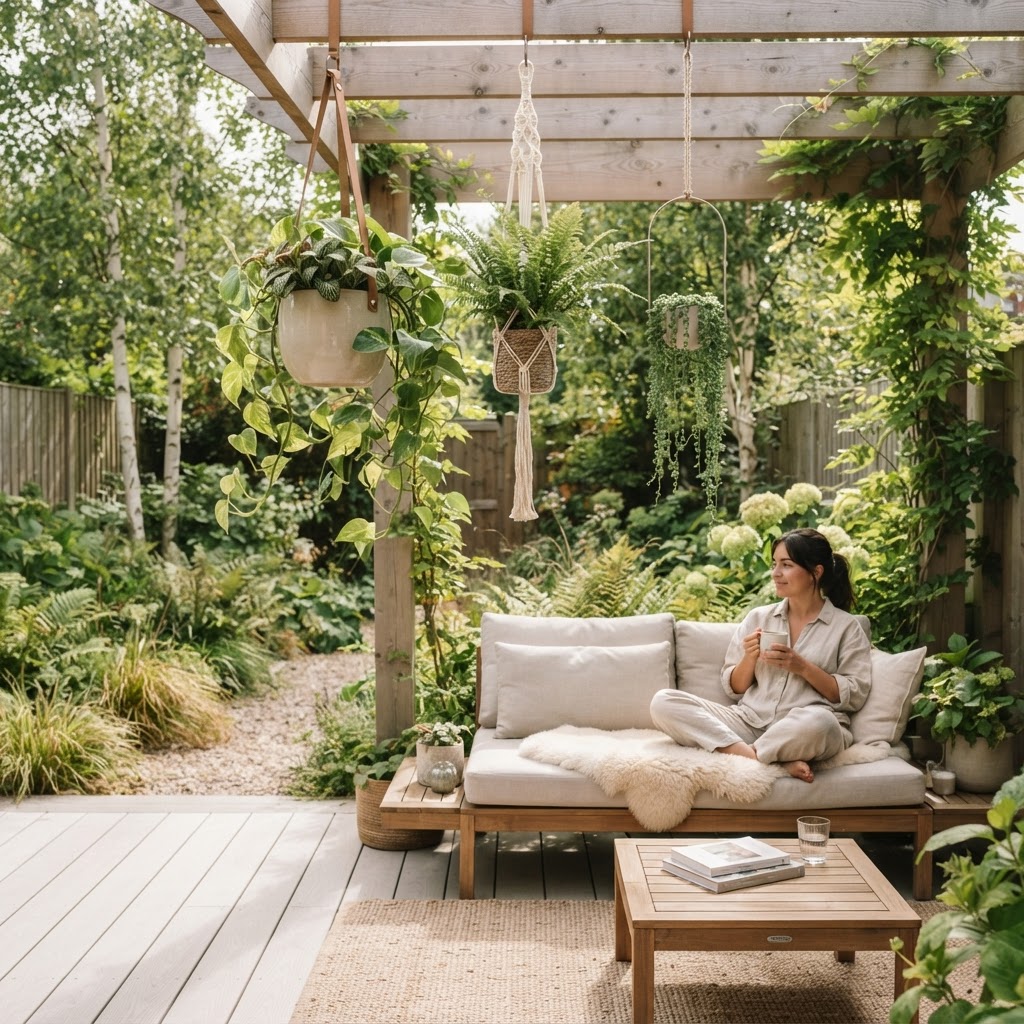
At Klinta Garden, we believe that limited square footage should never stand in the way of a vibrant green retreat. Whether you are living in a city apartment with a compact balcony or working with a cozy patio, the best hanging garden planters offer an elegant way to elevate your greenery and maximize every inch of available space. Embracing verticality is a hallmark of intelligent garden design, allowing you to create layers of texture and color that draw the eye upward while keeping your floor space clear for a morning coffee or a best-hanging-patio-chairs moment of relaxation. By integrating these elevated vessels, you can easily cultivate a thriving urban sanctuary that feels both open and intimate.
Key Materials for Durable Hanging Planters
Incorporating vertical elements is essential when you want to create a sense of harmony in a compact environment. Hanging planters allow you to soften hard edges, such as balcony railings or exterior walls, bringing the softness of nature into your immediate living area. For those starting their journey, our beginners-guide-to-starting-a-home-garden provides a foundation for choosing plant varieties that thrive in containers. When you choose the best hanging garden planters, you are investing in a design element that is both functional and aesthetic, helping to create that signature minimalist Scandinavian look. Beyond just aesthetics, vertical gardening protects your delicate herbs and flowers from curious pets or pests, keeping them safe while providing them with optimal sunlight exposure. If you are looking for specific hardware to secure your new additions, check out our recommended products to see what we currently love.
Selecting the Right Size and Shape
The longevity of your vertical garden depends heavily on the materials you select. If you live in an area with harsh weather conditions, opt for materials that resist cracking or fading, such as UV-protected resin, powder-coated steel, or high-quality cedar that has been treated for outdoor use. Many enthusiasts often look for alternatives like the best-outdoor-planters to ensure their floor-based greenery matches the quality of their hanging displays. For a truly Scandinavian look, consider matte finishes or natural textures like woven seagrass baskets with plastic liners, which add an earthy touch without succumbing to the moisture of constant watering. Always ensure that the suspension chains or ropes are made of rust-proof materials like stainless steel or weather-resistant nylon to prevent them from snapping under the weight of wet, soil-filled planters over time.
Drainage and Watering Considerations
Selecting the right size is a delicate balance between visual appeal and the physical capacity to hold soil and plants. Small hanging planters are ideal for trailing succulents or small herbs like thyme, while larger, bowl-shaped planters work best for cascading flowers like petunias or creeping jenny. If you are planning to grow food, ensure the container depth matches the root system requirements of your crops, a tip we often cover in our best-vegetables-to-grow-in-a-small-garden guide. Too small a pot will cause the plant to dry out faster, requiring more frequent maintenance. Conversely, an oversized heavy planter can put excessive strain on your hooks and supports, so always factor in the weight of wet soil when calculating the load-bearing capacity of your balcony structure.
Installation Tips for Safety and Style
Proper drainage is the single most important factor in keeping your hanging plants healthy and vibrant. Because hanging planters are often exposed to wind and sun from all sides, they tend to lose moisture much more quickly than ground-based pots. Ensure your planters have adequate drainage holes at the bottom, and if they are made of a non-porous material, consider adding a layer of lightweight expanded clay pellets at the base to prevent root rot. If you are finding it difficult to keep your greenery hydrated, you might find our insights on how-often-should-you-water-your-garden to be incredibly useful. In the heat of summer, self-watering hanging planters with integrated reservoirs can be a lifesaver, ensuring your plants stay hydrated even on the hottest afternoons without requiring your daily attention.
Creative Planting Ideas for Elevated Displays
Installing your hanging planters securely is as much about safety as it is about aesthetic placement. Always use hardware rated for the specific weight of the planter when full, and consider the wind load if your balcony is in an exposed high-rise location. For wall-mounted brackets, ensure you are drilling into stable materials like brick or solid wood rather than thin siding. If you want to expand your vertical garden beyond just hanging pots, consider looking into best-vertical-garden-systems for a more integrated appearance. It is also wise to check for any building regulations regarding weight limits on balconies before installing heavy iron planters, ensuring that your garden remains a safe, peaceful space for years to come.
Seasonal Maintenance for Hanging Gardens
Once your hardware is secure, the fun of styling begins. We love using hanging planters to create a 'living curtain' by placing them at varying heights along a railing or a best-garden-trellis-panels setup. Mix and match different textures—such as smooth ceramic against rustic hanging willow baskets—to create visual depth. Don't be afraid to combine different plant types within one planter, perhaps pairing a central thrill plant with smaller spillers that cascade over the sides. If you are feeling experimental, you might look at our guide on container-gardening-ideas-for-small-spaces to see how to layer colors and textures in a confined area effectively. Always aim for a color palette that complements your existing outdoor furniture or home exterior to maintain that clean, cohesive Scandinavian aesthetic.
As seasons change, so should the contents of your hanging planters. During the warmer months, you can switch to vibrant blooms or fast-growing herbs, while autumn and winter offer the chance to bring in hardy evergreen cuttings or seasonal bulbs. Regular pruning is necessary to maintain the shape of your hanging displays, especially as they begin to get heavy or overgrown. To keep your soil healthy throughout the year, refer to our tips on how-to-improve-garden-soil-naturally. By staying proactive with your maintenance, you ensure that your garden remains a beautiful, lively space regardless of the time of year, proving that you don't need a large backyard to enjoy the therapeutic benefits of a thriving garden.
Frequently Asked Questions
Recommended Products
Looking for products we personally recommend for this niche?
See our complete list of trusted tools and recommended products.
Browse Recommended Products