This article may contain affiliate links. If you buy through our links, we may earn a commission at no extra cost to you.
In This Article
Why Every Garden Needs a Trellis
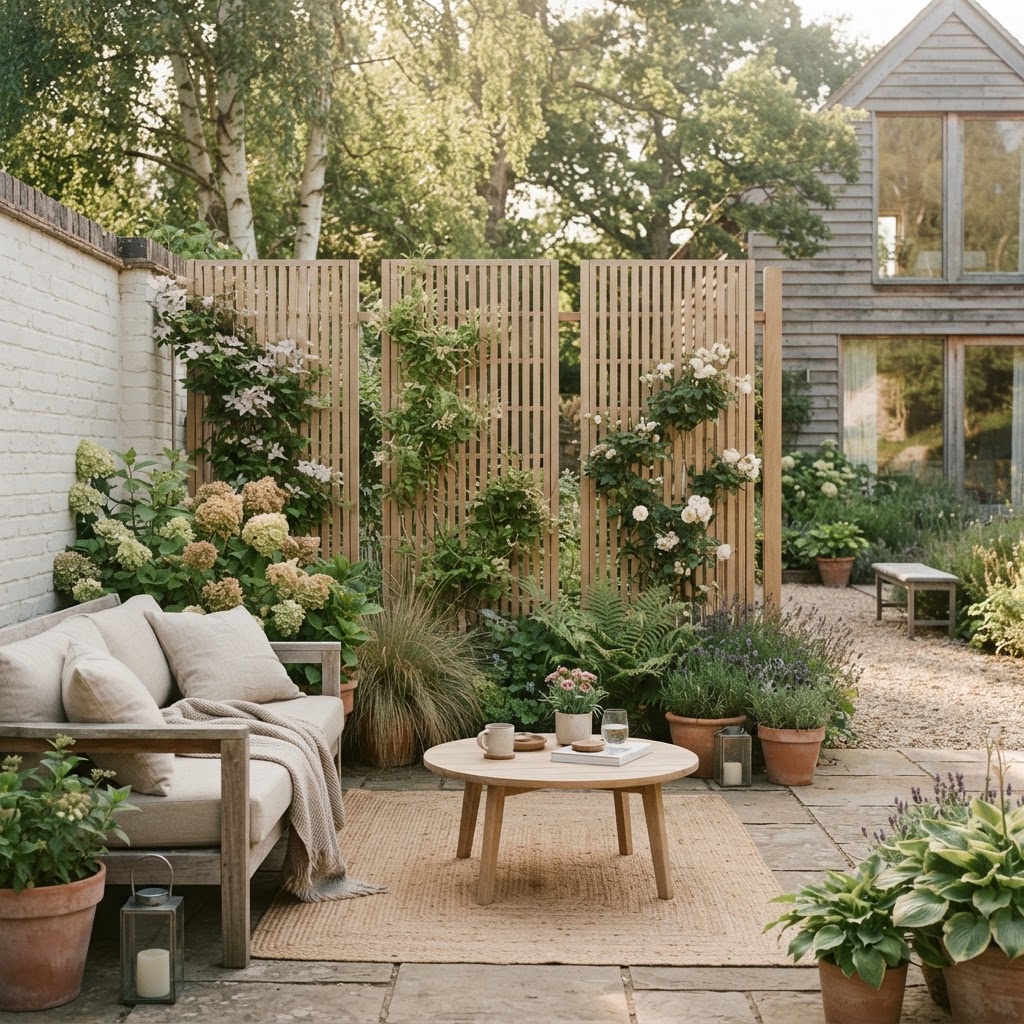
In the world of Scandinavian garden design, simplicity and functionality are paramount. By introducing vertical elements, you can transform a flat, open space into a lush, multi-dimensional retreat. The best garden trellis panels offer the perfect solution, allowing your favorite vining plants to thrive while creating structural beauty that anchors your overall landscape design. Whether you are cultivating a beginners-guide-to-starting-a-home-garden or perfecting your floral displays, selecting the right support structure is essential for success. In this guide, we will explore top-tier options that combine minimalist aesthetics with high-performance durability to help you elevate your outdoor living space.
Factors to Consider When Choosing Trellis Panels
A garden trellis is far more than a decorative accessory; it is a fundamental tool for maximizing your greenery. In small-space gardening, vertical growth is the most efficient way to increase your plant count without sacrificing footprint. If you are struggling with where to start, looking at best-vertical-garden-systems can provide inspiration, but a sturdy trellis remains the most versatile choice. It allows you to train climbing roses, clematis, or even vegetables to grow upward, creating a natural screen that offers privacy and shade. By guiding plants into the air, you also improve airflow, which is a critical factor in preventing disease and ensuring your best-vegetables-to-grow-in-a-small-garden thrive throughout the changing seasons.
Top 5 Best Garden Trellis Panels for Style and Function
When shopping for the best garden trellis panels, begin by assessing the weight of the plants you intend to grow. A delicate annual vine requires much less structural support than a woody perennial climbing rose. You should also consider the wind exposure in your specific location, as panels acts as sails during storms. Before finalizing your choice, browse our recommended products to see which options have passed our durability tests. Furthermore, think about the aesthetic harmony of your garden. A clean, slatted wooden design often complements a modern aesthetic better than an ornate metal structure. Always ensure your chosen panel has enough surface area for your plants to latch onto, as this makes the process of training them much easier once they start growing rapidly in the spring.
Material Matters: Wood vs. Metal vs. Plastic
Our first pick is the Nordic Cedar Lattice, known for its rot-resistant properties and sleek, square-grid design. Second, we recommend the Powder-Coated Steel Grid, which offers a modern, industrial look perfect for urban patios. Third, the expandable willow trellis provides a natural, rustic charm that works beautifully in informal cottage-style beds. Fourth, we suggest the heavy-duty iron trellis for those heavy-blooming perennials that require serious structural integrity. Finally, the modular bamboo panel stands out for its sustainability and lightweight frame, making it ideal for container gardening. All of these options can be paired with our favorite items found on our recommended products page to ensure your setup is as efficient as possible. Investing in quality from the start will save you the trouble of replacing weathered or warped panels after just one season.
Installation Tips for Scandinavian-Inspired Gardens
Choosing the right material is the difference between a one-year decorative piece and a long-term investment. Wood, particularly cedar or redwood, offers a classic, warmth-inducing appearance but requires periodic sealing to prevent graying or rot. Metal panels, especially those treated with anti-rust coatings, offer a sleek, low-maintenance alternative that often fits better into contemporary landscaping. If you are practicing container-gardening-ideas-for-small-spaces, plastic or composite panels can be lightweight and affordable, though they may lack the visual appeal of natural fibers. Whatever you choose, ensure the material is compatible with your climate and your long-term vision. If you find your soil needs amendment to support these new plantings, our tips on how-to-improve-garden-soil-naturally will help your vines establish deep, healthy roots.
Maintenance for Longevity and Plant Health
Installation is the secret to a secure trellis. For freestanding panels, ensure you have stable footings or heavy-duty ground anchors, especially in windy areas. If you are mounting panels against a wall, remember to leave a small gap between the wood and the structure to allow for airflow, which prevents moisture buildup and protects your siding. When planting, be mindful of the space requirements for each species. Using the right tools is paramount; you might find our best-tools-for-transplanting-plants useful for setting your climbing plants in place properly. Proper installation not only keeps your garden safe but also ensures the trellis itself lasts for many years without sagging under the weight of healthy, full-grown foliage.
Creative Ways to Use Trellis Panels in Small Spaces
Even the best garden trellis panels require occasional care to stay looking their best. For wooden panels, a yearly treatment with a non-toxic wood preservative keeps them sturdy and prevents insect damage. For metal panels, check for any nicks or scratches in the paint where rust might begin to form. Consistent attention to maintenance keeps your garden looking polished and prevents the need for major repairs during the peak growing season. When you are performing your regular chores, make sure you are checking in on your plants as well. Following a seasonal-gardening-checklist-for-better-harvests will help you coordinate your maintenance tasks with the natural life cycle of your climbing plants, ensuring your garden remains a vibrant sanctuary all year round.
Small spaces benefit the most from vertical design. Use trellis panels as room dividers on a patio to separate a dining zone from a quiet seating area. You can even attach small pots to the grid to create a living wall of herbs; just remember to follow the instructions in how-to-grow-herbs-indoors-year-round if you are trying to keep your culinary garden going throughout the cooler months. By utilizing height, you effectively double the growing space in tiny balconies or narrow yards. Whether you are using a trellis to hide an unattractive wall or to define the entrance to your secret garden, these structures are the backbone of thoughtful outdoor design. Always consider the light levels when positioning your panels, as the plants you grow must be well-matched to the sun exposure in that specific spot.
Frequently Asked Questions
Recommended Products
Looking for products we personally recommend for this niche?
See our complete list of trusted tools and recommended products.
Browse Recommended Products