This article may contain affiliate links. If you buy through our links, we may earn a commission at no extra cost to you.
In This Article
Why Quality Garden Boots Matter
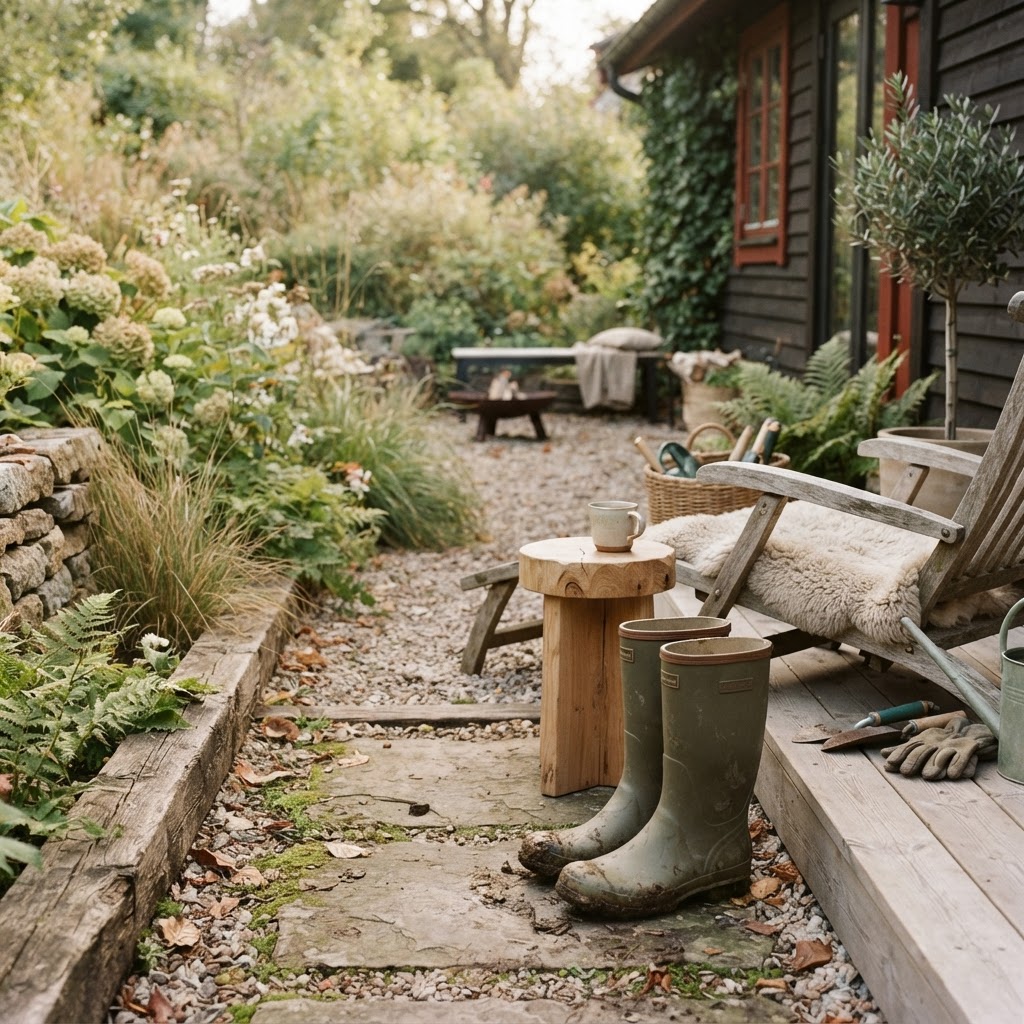
Embracing the Scandinavian outdoor lifestyle means you shouldn't let a bit of mud stop you from tending to your beautiful garden. Whether you are prepping your soil with a best garden hand forks or planting bulbs, wet and heavy ground requires reliable footwear. Finding the best garden boots can be the difference between a joyful afternoon in nature and cold, damp feet that ruin your productivity. In this guide, we explore the essential features to look for so you can stay warm, dry, and focused on your seasonal gardening checklist for better harvests.
Material Matters: Rubber vs. Neoprene
Choosing the right footwear is essential for every gardener, especially when conditions turn wet. High-quality boots do more than just keep your feet dry; they provide critical support for your ankles and arches during long days of digging and weeding. If you are just starting your journey, checking out our beginners-guide-to-starting-a-home-garden will show you why foot care is often overlooked but vital. When you invest in the best garden boots, you are essentially investing in your comfort and your ability to work through the seasons. Cold, saturated ground can quickly sap your energy, but the right pair of waterproof boots ensures that you stay comfortable even in challenging conditions. Our recommended products page highlights several options designed specifically for the discerning gardener who values both utility and Scandinavian design aesthetics.
Comfort Features for Long Gardening Days
The material of your garden boot dictates how it handles mud, water, and debris. Natural rubber is the traditional choice, prized for its complete waterproofing and durability against sharp stones or garden tools. On the other hand, neoprene has become a popular modern alternative, offering better flexibility, warmth, and a snug fit that prevents fatigue. Some high-end boots combine both, using rubber for the outer shell and neoprene for the upper, giving you the best of both worlds. For those working in vegetable patches where soil density varies, ensure you verify that the boot material is easy to clean. If you are curious about what else you might need for your garden, consider browsing our best-gardening-tools-for-beginners to round out your utility kit.
Selecting the Right Boot Height
Comfort is non-negotiable when you are spending hours standing in the garden. Look for boots that feature ergonomic insoles, which provide cushioning for the heels and support for the arch, reducing strain during tasks like using your best-ergonomic-garden-forks. If your boots don't fit correctly, you may develop blisters or experience fatigue long before the work is finished. It is often wise to choose a pair with a slightly wider footbed, allowing you to wear thicker, moisture-wicking wool socks during the colder months. Many of the options listed on our recommended products page are specifically curated for long-term comfort, ensuring that you can focus on your tasks without constant adjustment or discomfort.
Traction and Stability on Wet Soil
The height of your garden boot is a matter of both protection and purpose. Mid-calf boots are often the best garden boots for casual gardeners who need easy slip-on access for quick tasks like checking on a best-weather-resistant-bird-feeders. Conversely, tall boots that reach just below the knee are superior for deeper mud or when working in areas where you might be kneeling in damp grass. By choosing a taller boot, you gain extra protection against mud splatters and tall, dew-soaked weeds. If your gardening routine involves a lot of kneeling, pairing these boots with the best-garden-kneeling-pads will prevent moisture from reaching your clothes, keeping your knees dry and cushioned as you work.
Maintenance Tips for Long-Lasting Boots
A garden boot is only as good as its tread. Muddy ground is notoriously slippery, and a flat sole can lead to dangerous stumbles when carrying heavy loads or using a best-garden-wheelbarrows. Look for deep, self-cleaning lugs in the rubber outsole; these are designed to grip soft earth and shed mud as you walk, preventing the buildup that makes boots feel heavy and unbalanced. Stability is especially important on sloped landscapes or when navigating raised beds. Having the right tread allows you to work confidently, even after a heavy rainfall, ensuring your stability remains intact while you manage your raised-bed-gardening-tips-for-beginners.
When to Upgrade to Professional Gear
To ensure your garden boots last for many seasons, proper maintenance is essential. After a muddy day, rinse off your boots with fresh water to remove organic matter, which can degrade rubber over time. Avoid storing them in direct sunlight, as UV rays can cause rubber to crack and lose its waterproofing. Instead, keep them in a cool, dry place. Using a boot rack or hanging them upside down can help maintain their shape. If you use your boots in particularly harsh environments, consider applying a silicone-based conditioner to the exterior to keep the material supple. Proper care is part of the long-term commitment to your garden space, similar to how you would care for your best-garden-trowels-for-clay-soil to prevent rust and damage.
At some point, you may decide to upgrade from casual garden shoes to more professional-grade, specialized gear. This is particularly relevant if you are doing extensive landscaping, clearing brush, or working with heavy machinery. Professional boots often offer reinforced toe caps and puncture-resistant soles, which provide an added layer of safety. While these might be heavier than your standard garden boot, the protection they offer is unmatched. If you are ready to expand your repertoire, you might also be interested in our best-gardening-gloves to protect your hands, as having the right safety equipment is a sign of a truly dedicated home gardener.
Frequently Asked Questions
Recommended Products
Looking for products we personally recommend for this niche?
See our complete list of trusted tools and recommended products.
Browse Recommended Products