This article may contain affiliate links. If you buy through our links, we may earn a commission at no extra cost to you.
In This Article
Why Weather Resistance Matters for Backyard Wildlife
At Klinta Garden, we believe that bringing nature closer to your home is the heart of a well-lived life. A key part of that experience is watching local wildlife thrive in your outdoor space, but finding the best weather-resistant bird feeders is essential to ensure they stay fed regardless of the conditions. Whether you are following a beginners-guide-to-starting-a-home-garden or looking to enhance an established plot, a robust bird feeder is a must-have addition. In this guide, we explore how to choose feeders that withstand the elements while keeping your backyard guests chirping happily throughout the seasons.
Essential Materials for Long-Lasting Bird Feeders
In climates where rain, wind, and snow are frequent visitors, standard bird feeders can quickly become soggy breeding grounds for mold and bacteria. Investing in the best weather-resistant bird feeders ensures that your avian visitors remain healthy and well-fed, even during the coldest months. Moisture-resistant designs protect delicate seeds from clumping, which is critical for preventing rot and ensuring easy access for birds. Just as you might prioritize how-to-improve-garden-soil-naturally to support your plants, prioritizing quality feeders supports your garden's local biodiversity. High-quality materials and smart engineering are the secrets to creating an outdoor environment that remains beautiful and functional throughout the entire year, keeping your local population of birds consistently returning to your oasis.
Design Features That Protect Seed from Moisture
When scouting for the ideal setup, look for materials that prioritize durability and ease of cleaning. Powder-coated steel, heavy-duty polycarbonate, and UV-stabilized plastics are often the top choices found on our recommended products page. These materials do not warp, rust, or crack under extreme temperatures, which is vital for Nordic-inspired gardens that experience drastic shifts in weather. While wooden feeders offer a charming aesthetic, they require regular maintenance to prevent warping and decay, unlike their metal or synthetic counterparts. By selecting materials engineered for longevity, you reduce the time spent on repairs and increase the time you get to spend observing the beautiful avian life that graces your yard each morning.
Choosing the Right Feeder Type for Your Bird Species
A truly weather-resistant feeder is defined by how well it shields seed from the elements. Look for models with wide, sloping roofs or adjustable domes that provide ample coverage during rain or snow. Drainage is equally important; check that the bottom tray has tiny, well-placed holes to allow any moisture that does get in to escape quickly. This prevents the seeds from becoming a waterlogged mess, which is a major concern for avian health. If you are also focused on plant care, remember that best-watering-cans-for-small-gardens may need to be stored away in winter, but your feeder must stand its ground against the biting wind and cold, making design-led weather protection an absolute priority for your setup.
Maintenance Tips for Harsh Scandinavian Climates
Different birds prefer different feeder types, and matching the right model to your target species is part of the fun. Tube feeders are excellent for finches and smaller songbirds as they keep seeds contained and dry behind clear, weather-hardy plastic. Meanwhile, hopper feeders offer a larger capacity and are often protected by sturdy roofs that shed snow effortlessly. For ground-feeding birds, look for covered tray feeders that prevent heavy precipitation from burying their food. If you are currently working on container-gardening-ideas-for-small-spaces, you might find that hanging a small, weather-resistant feeder adds a vertical layer of interest that complements your existing pots and planters, turning your compact space into a sanctuary for nature enthusiasts.
Strategic Placement for Feeder Longevity and Bird Safety
Even the most durable bird feeders need a little TLC to last through the harshest winter months. Regularly scrubbing your feeders with a mild, bird-safe disinfectant prevents the spread of pathogens that can build up in damp, cold conditions. If you are already busy with your seasonal-gardening-checklist-for-better-harvests, add a quick cleaning session to your routine every two weeks. Check the hinges and hanging hardware for signs of rust, as high winds can strain these components over time. Ensuring that your feeder remains clean and fully functional not only keeps the birds happy but also ensures that your garden remains a healthy environment. A small investment of time cleaning your feeders is a significant step toward responsible, long-term backyard stewardship.
Integrating Bird Feeders into Your Nordic Garden Layout
Location is everything when protecting your feeders from the wind and heavy storms. Placing your feeder in a spot protected by shrubs or trees offers a natural buffer, shielding it from direct wind gusts that could knock it over or blow seeds away. However, ensure that the placement is not so sheltered that it becomes a hiding spot for predators. For those who prioritize structure, you might pair your feeder with best-garden-trellis-panels to create a windbreak while adding beauty to your space. By carefully considering the micro-climates in your garden, you can find the perfect balance between shielding your feeder from the worst of the weather and keeping it accessible for your colorful visitors to enjoy year-round.
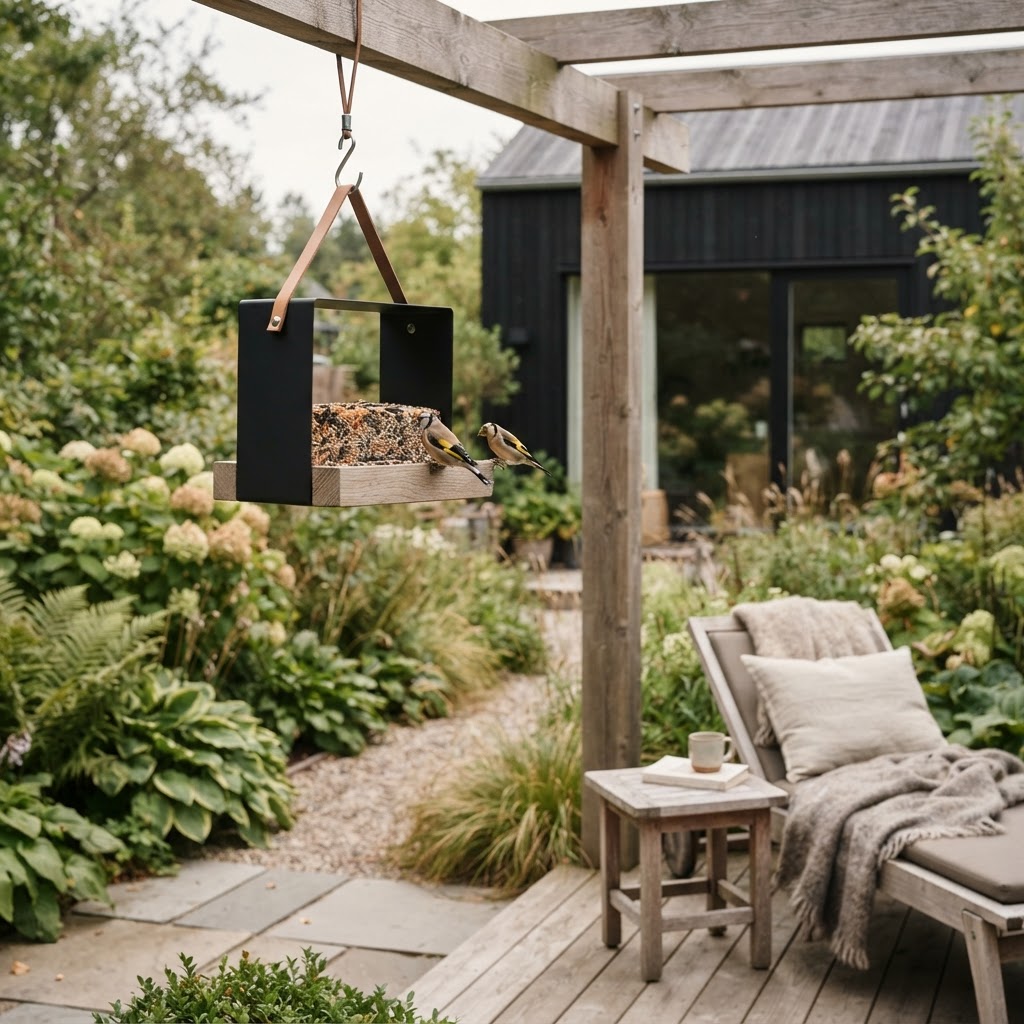
Incorporating bird feeders into a Nordic garden design is about balancing function with the natural landscape. Whether you choose a sleek metal tube feeder or a minimalist hopper design, ensure it aligns with your aesthetic while serving its purpose. You might consider grouping your feeders with other elements like best-wooden-benches to create a designated wildlife-watching corner in your yard. This creates a cohesive look where your bird-feeding efforts feel like an extension of your overall landscape design. By thoughtfully integrating these essential tools into your outdoor living space, you prove that functional utility—like keeping your feeders dry and secure—can exist in perfect harmony with a beautiful, curated, and tranquil Scandinavian-style home garden.
Frequently Asked Questions
Recommended Products
Looking for products we personally recommend for this niche?
See our complete list of trusted tools and recommended products.
Browse Recommended Products