This article may contain affiliate links. If you buy through our links, we may earn a commission at no extra cost to you.
In This Article
Why Using the Right Tools Matters for Transplanting
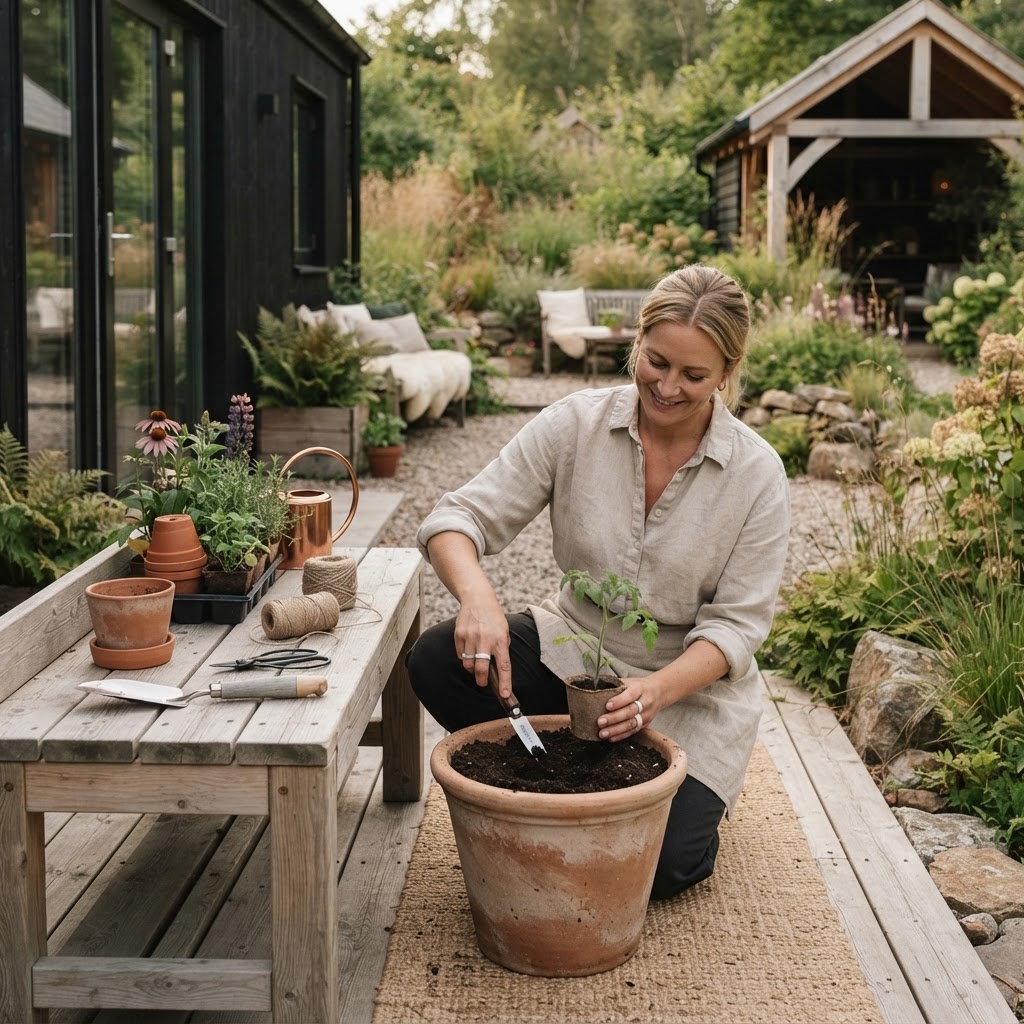
Transplanting is a delicate surgical procedure for your plants, and much like a surgeon, a gardener is only as effective as their tools. Whether you are moving delicate seedlings from a beginners-guide-to-starting-a-home-garden or relocating established shrubs to a new spot, having the right gear is essential to minimize root shock. At Klinta Garden, we believe that the best tools for transplanting plants aren't just about digging—they are about precision, root protection, and maintaining the integrity of the soil structure. Using inferior equipment can lead to torn roots, compacted soil, and unnecessary stress that might prevent your garden from flourishing as it should.
The Essential Garden Trowel for Precision
When you start moving plants, you quickly realize that improper tools can cause more harm than good. When you use a generic shovel for sensitive plants, you often lose too much of the root ball, causing a setback in growth. By investing in the best tools for transplanting plants, you ensure that the plant retains enough soil around its roots to keep them healthy during the transition. Whether you are working on raised-bed-gardening-tips-for-beginners or shifting pots in a small yard, efficiency is key. Professional gardeners prioritize tools that allow for clean cuts and minimal disruption, which is why we often highlight quality options on our recommended products page to help you avoid common gardening pitfalls. Remember that healthy root systems are the foundation of a resilient garden, and the right gear plays a critical role in preserving that foundation.
Utilizing Soil Knives for Root Ball Preservation
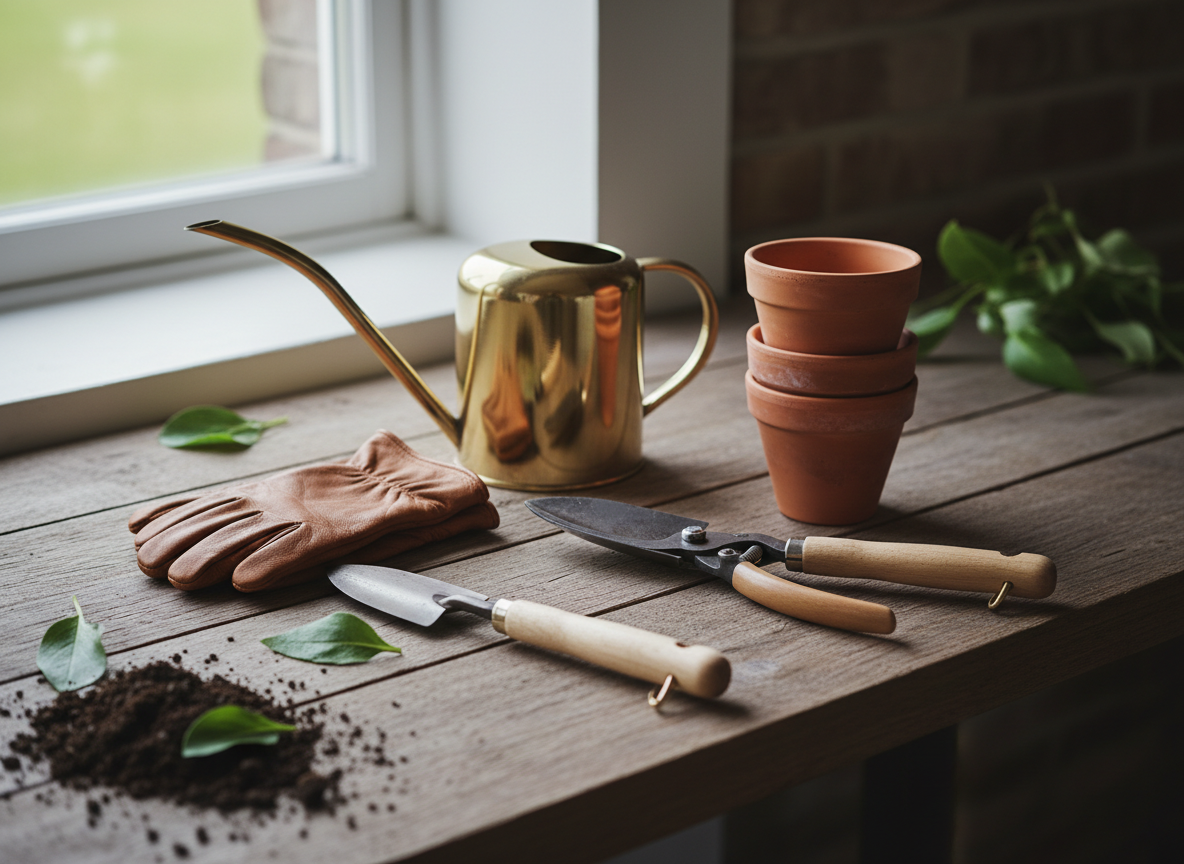
A sturdy, well-crafted hand trowel is the cornerstone of any gardener's kit. When searching for the best tools for transplanting plants, look for a trowel with a narrow, pointed blade made of stainless steel. A narrow blade is essential for digging around the root zone without damaging nearby plants or disturbing the surrounding soil profile. We often recommend the best-ergonomic-garden-trowels for those who spend hours in the garden, as they reduce wrist strain and allow for more controlled movements. Using the right trowel allows you to lever the plant out of the ground gently, keeping the root ball intact and ready for its new home. This precision is vital, especially when dealing with container plants or delicate perennials that don't like their roots exposed to air for too long.
Transplanters and Specialized Hand Tools
A soil knife, often called a Hori Hori, is perhaps one of the most versatile and best tools for transplanting plants available today. With its serrated edge and sharp point, a soil knife allows you to cut through tough roots, divide perennials, and clear debris around the transplant hole with surgical precision. Unlike a bulky spade, the soil knife lets you work close to the stem without damaging the plant's structural root system. It is particularly useful when relocating plants in areas where space is limited or roots are tightly packed together. If you are learning how to manage your space using container-gardening-ideas-for-small-spaces, this tool will become your constant companion. Always keep it clean and sharp to ensure every cut is clean, which aids in quicker healing and faster root establishment in the new soil.
Importance of Ergonomics and Comfort
Specialized transplanters are designed with depth markings on their blades, which act as a built-in ruler to help you plant at the perfect depth every single time. When looking for the best tools for transplanting plants, consider a transplanter that fits your hand grip well and is made of weather-resistant materials. The narrow design makes it ideal for working in tight spots, such as in the corners of best-planters-for-balcony setups. These tools excel at creating narrow, deep holes that are perfect for smaller plants or nursery starts. By maintaining consistent planting depth, you reduce the risk of stem rot or desiccation. You can find high-quality versions of these tools listed within our recommended products category, designed to make your gardening process more scientific and less based on guesswork.
Soil Preparation Tools to Ease the Transition
Gardening should be a joyful activity, not a source of physical pain. When evaluating the best tools for transplanting plants, ergonomic design is paramount. Look for handles made from non-slip, cushioned materials that conform to your grip, preventing blisters and reducing long-term joint strain. We advocate for gear that balances weight distribution perfectly, making it easier to lift and transplant larger root balls. Alongside your tools, using best-garden-kneelers-handles can significantly reduce pressure on your lower back and knees while you focus on delicate root work. A comfortable gardener is a more attentive one, and being able to work without pain allows you to focus on the nuances of each plant’s health. Don't underestimate the impact of good design on your garden output; after all, even the best tools for transplanting plants are only effective if you can use them consistently.
Clean-Up and Maintenance for Longevity
Transplanting is not just about the moment you move the plant; it is about how you prepare the environment before and after. Before moving your plants, ensure your soil is properly amended using the how-to-improve-garden-soil-naturally techniques. A soil cultivator or a claw-style hand rake is invaluable for breaking up hard, compacted soil in the new planting site. By loosening the earth before the plant arrives, you encourage roots to spread quickly into the new medium. We also suggest using best-gardening-gloves to protect your hands while you dig and mix organic matter into the soil. Ensuring the new site has adequate drainage and moisture is critical for success, and having the right soil preparation tools makes this prep work far less daunting for even the most amateur gardeners.
Choosing the Best Equipment for Your Space
The longevity of your tools depends entirely on how you treat them. After using the best tools for transplanting plants, take a moment to clean off any soil or moisture, as rust is the enemy of carbon steel and iron. Use a stiff brush to remove dirt, and periodically wipe the metal with a light coating of linseed oil to prevent corrosion. When your tools are clean, store them in a dry, organized space like those suggested in our best-outdoor-storage-solutions guide. Regularly checking the sharpness of your blades is also important; dull tools pull at the roots rather than slicing through them. If you take the time to maintain your gear, you will find that these high-quality instruments last for many seasons, effectively paying for themselves in the health of your garden and the ease of your routine.
Selecting the best tools for transplanting plants doesn't have to be overwhelming. Start by assessing the specific types of plants you move most often; large shrubs require sturdier, longer-handled tools, while herbs or flowers need finer, more delicate handheld options. Consider your local soil type—clay-heavy soil requires stronger, reinforced tools, whereas sandy, loose soil allows for lighter equipment. If you are starting your journey, look for a beginner set on our recommended products page that includes a mix of these essentials. Remember that building your collection is a process, and as your garden grows, your tool needs may change. Whether you are mastering how-to-grow-herbs-indoors-year-round or tackling a full landscape renovation, the right tools will provide the support you need to ensure your plants thrive in their new surroundings.
Frequently Asked Questions
Recommended Products
Looking for products we personally recommend for this niche?
See our complete list of trusted tools and recommended products.
Browse Recommended Products