This article may contain affiliate links. If you buy through our links, we may earn a commission at no extra cost to you.
In This Article
Why Mosquito Repellent Plants Are Essential for Your Garden
There is nothing quite as magical as a long, light-filled Scandinavian summer evening spent in the garden. However, that tranquility can quickly vanish at the first buzz of a mosquito. Rather than relying on harsh chemical sprays or messy coils, many gardeners are turning to the best mosquito repellent plants to reclaim their patio spaces. These botanical powerhouses don't just act as a shield; they integrate seamlessly into your landscape, adding scent, color, and texture while keeping unwanted pests at bay. At Klinta Garden, we believe in a balanced ecosystem, and selecting the right flora is a brilliant way to enhance your beginners-guide-to-starting-a-home-garden journey with functional, protective beauty.
How Certain Plants Naturally Deter Pests
Integrating the best mosquito repellent plants into your outdoor living area is about more than just pest control; it is about creating a sensory sanctuary. Mosquitoes are notoriously sensitive to strong, aromatic oils found in specific botanicals, which mask the scents humans emit that attract them. By incorporating these plants into your design, you create a natural perimeter that discourages these insects from settling in your container-gardening-ideas-for-small-spaces or larger garden beds. When planning your layout, remember that these plants work best when their oils are released, so planting them near seating areas or walkways is key. For those who are just starting to curate their outdoor environment, check our recommended products to find the best tools to help you maintain your new, repelling garden borders effectively.
Top Mosquito Repellent Herbs to Include in Your Design
The science behind these plants lies in their volatile essential oils, such as citronellal, limonene, and camphor. When a breeze brushes against the foliage, or when you gently ruffle the leaves, the plant releases these aromatic compounds, which act as a natural deterrent. This process is highly effective when plants are placed in high-traffic zones. If you are also interested in maximizing your harvest while protecting your space, consider looking at our guide on the best-vegetables-to-grow-in-a-small-garden, as many aromatic herbs serve double duty by both repelling pests and flavoring your kitchen meals. Using these plants in tandem with consistent garden maintenance, such as ensuring proper drainage and soil quality, can make a massive difference in your comfort levels during the peak of summer.
Beautiful Flowering Plants That Keep Mosquitoes Away
Herbs are perhaps the most versatile of all repellent plants, offering a delicious addition to your culinary life while providing protection from mosquitoes. Lemon balm, with its bright, citrusy scent, is a powerhouse that thrives in pots and borders alike. Similarly, rosemary is a Mediterranean staple that not only survives the winter in warmer climates but also creates a dense, fragrant hedge. If you are cultivating these in your home space, you might find our article on how-to-grow-herbs-indoors-year-round helpful for maintaining these plants even when the seasons shift. When used as a natural barrier, these herbs prevent mosquitoes from congregating near your outdoor dining table. Ensure you are using the best-organic-fertilizers-tomatoes to keep these nutrient-hungry herbs healthy and productive throughout the humid summer months.
Strategic Placement for Maximum Protection
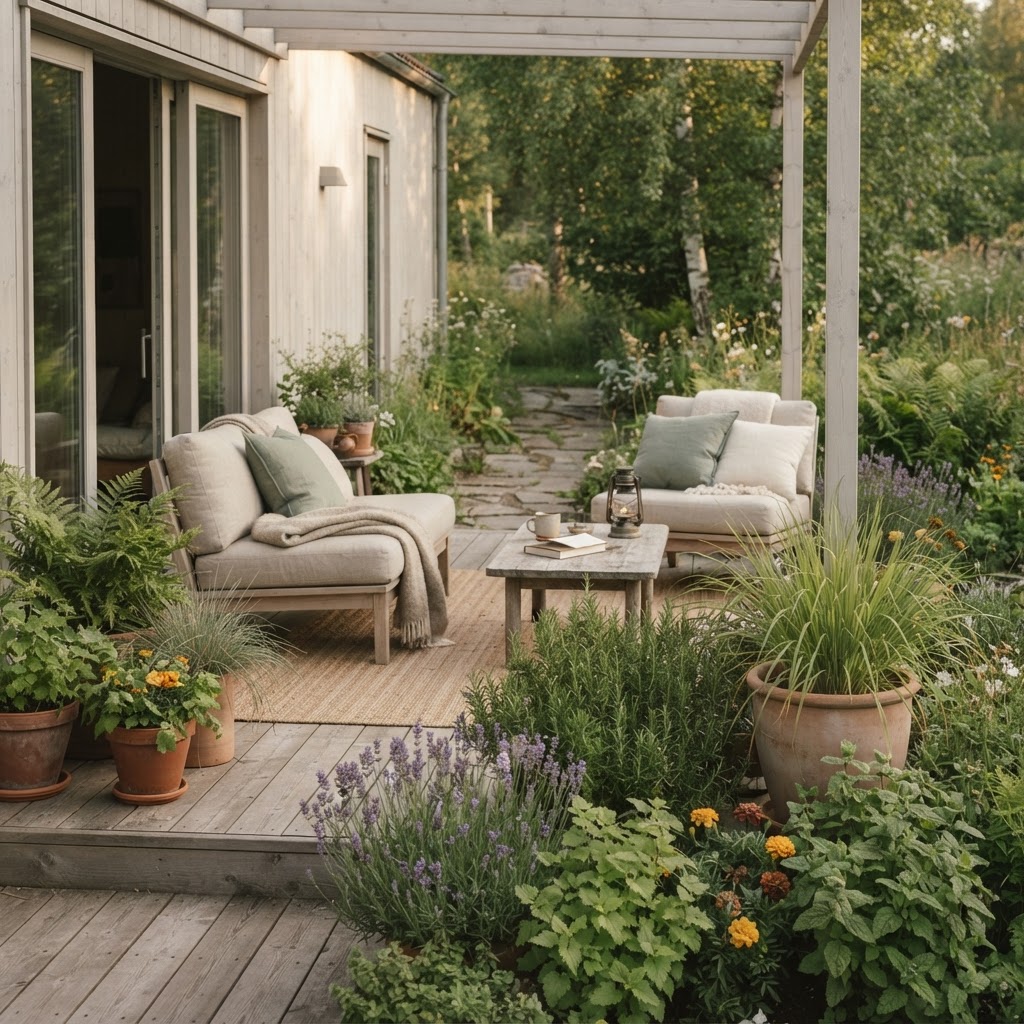
Beyond the kitchen garden, several flowering plants offer both aesthetic appeal and mosquito-repelling qualities. Lavender is a classic choice; its soothing fragrance is loved by humans but despised by mosquitoes. Similarly, marigolds contain pyrethrum, an ingredient often used in natural insect repellents, making them a dual-purpose addition to any garden bed. These plants bring a pop of color to your landscape design while acting as a functional wall. You can further elevate the visual impact of your garden by using best-planters-for-balcony or garden beds to group these flowers in strategic clusters. By focusing on plants that offer long blooming periods, you ensure that you have consistent protection throughout the entire summer season, allowing you to relax fully outdoors without worrying about bothersome bites.
Combining Plants with Other Outdoor Solutions
Strategic placement is the secret to making the best mosquito repellent plants truly effective. You should focus on placing these aromatic plants where you spend the most time, such as around your buying-outdoor-furniture-tips areas, near doorways, and along pathways. Because the scent is strongest in the immediate vicinity of the plant, grouping them in containers near your seating can create an invisible, fragrant shield. Do not forget to prune your plants regularly, as the act of pruning often releases the very oils that deter the pests. If you are struggling with where to put these, consider how you might incorporate them into your vertical space; using best-vertical-garden-systems allows you to keep these protective plants at eye level where their scent can be most enjoyed and most effective at keeping mosquitoes away from your guests.
Caring for Your Protective Greenery
While plants are a fantastic first line of defense, they work best when combined with other smart outdoor living practices. Ensuring you have no standing water in your garden is vital, as it is a breeding ground for mosquitoes. You can maintain a clean, organized space with best-outdoor-storage-solutions to keep items tucked away. Additionally, ambient lighting can play a role; while standard lights might attract some bugs, choosing the right outdoor-string-lights can help create a pleasant environment. If you are hosting a garden party, you might also consider the warmth and ambiance provided by best-outdoor-fire-pits, which, when accompanied by the right fragrant woods or herbs thrown into the fire, can offer an extra layer of protection for you and your friends.
Creating a Cohesive Look with Pest-Repelling Foliage
To get the most out of your plants, consistent care is essential. This starts with the foundation—the soil. Learning how-to-improve-garden-soil-naturally will ensure your repellent herbs and flowers have the strength to produce the oils that keep mosquitoes away. Proper hydration is equally important, so be mindful of how-often-should-you-water-your-garden to prevent wilting during hot spells. Using best-garden-watering-systems can take the guesswork out of maintenance, ensuring your plants receive exactly what they need to thrive. Remember that a stressed plant will produce fewer of the aromatic compounds required to repel insects, so keeping your garden healthy and vibrant is the most effective way to ensure your protective barrier remains strong all season long.
Designing a garden with mosquito-repelling plants doesn't mean compromising on style. You can achieve a cohesive, Scandinavian-minimalist look by using consistent materials for your planters and keeping your color palette harmonious. Pair your lavender and rosemary with structural elements to keep the look clean and intentional. As you refine your garden, consult our seasonal-gardening-checklist-for-better-harvests to keep your tasks organized throughout the year. With the right selection of plants and a thoughtful layout, you can turn your backyard into a truly peaceful retreat where the only thing you focus on is enjoying the summer sunshine. Visit our recommended products to find everything you need to start building your own pest-free, botanical haven today.
Frequently Asked Questions
Recommended Products
Looking for products we personally recommend for this niche?
See our complete list of trusted tools and recommended products.
Browse Recommended Products