This article may contain affiliate links. If you buy through our links, we may earn a commission at no extra cost to you.
In This Article
Why Succulents Require Specialized Soil
Succulents and cacti have captivated gardeners for decades with their architectural beauty and low-maintenance charm. However, the most common mistake made by enthusiasts is treating these desert-dwellers like standard foliage plants. Achieving success starts at the root level. Identifying the best potting soil for succulents is the single most important factor in preventing root rot and ensuring your plants remain vibrant throughout the year. At Klinta Garden, we believe that understanding your plant's native environment is the first step toward a thriving home oasis, much like when you dive into a beginners-guide-to-starting-a-home-garden.
Understanding Drainage and Aeration
In the wild, succulents grow in gritty, porous soils that shed water almost instantly. When you bring these plants into your home or patio, using standard houseplant potting soil often leads to disaster because that medium is designed to retain moisture for leafy greens. To prevent stagnant water from suffocating delicate roots, you must prioritize drainage. We often discuss the importance of soil composition in our how-to-improve-garden-soil-naturally guide, but succulents require an even higher level of porosity. By choosing the best potting soil for succulents, you mimic the arid conditions they crave, allowing for a healthy gas exchange around the root zone which is crucial for structural integrity and longevity.
The Essential Ingredients for DIY Soil Mixes
Drainage is the silent partner of every healthy garden. Without it, even the most resilient cactus will succumb to fungal infections. When shopping for the best potting soil for succulents, look for textures that feel loose and crumbly, not dense or peaty. If you are setting up your own space, consider browsing our recommended products to see high-quality aggregates that improve airflow. Proper drainage ensures that water flows straight through the container, carrying away salts and waste products. This is especially vital when working with best-planters-for-balcony where evaporation might be limited by ambient humidity or lack of direct wind movement.
Commercial vs. Homemade Soil Blends
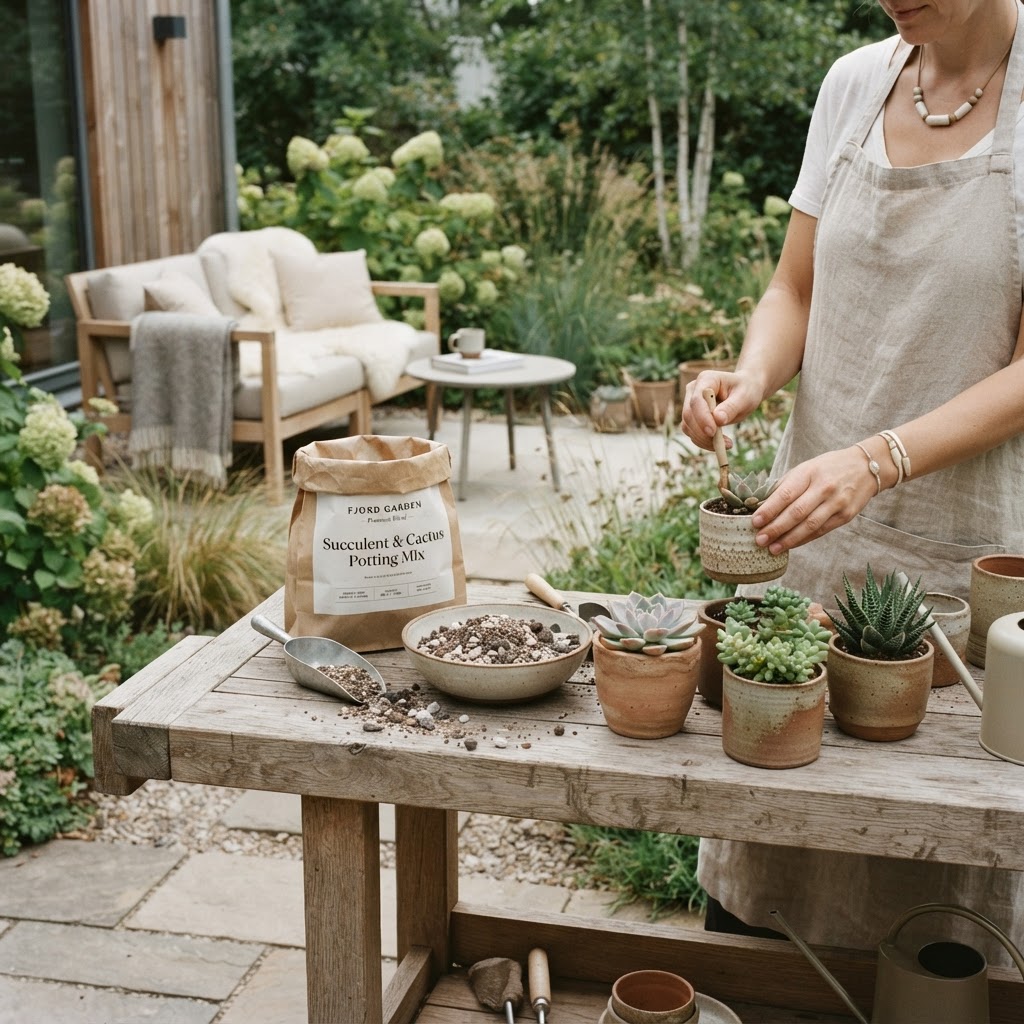
The perfect succulent mix usually relies on a 'gritty' foundation. If you want to customize your substrate, start by combining standard coco coir or peat moss with inorganic materials. Perlite and pumice are standard, but for the true connoisseur, crushed granite, horticultural sand, or expanded clay pebbles are superior choices. These ingredients prevent compaction, which is the primary cause of root suffocation. Just as you might use best-soil-testing-kits to analyze garden beds, you should feel the density of your succulent mix. A good rule of thumb is that your mix should contain at least 50% inorganic material to provide the drainage required by most Echeveria, Haworthia, and Sedum varieties to thrive indoors or outdoors.
Signs You Are Using the Wrong Potting Mix
While buying pre-bagged soil is convenient, not all commercial mixes are created equal. The best potting soil for succulents will explicitly state that it is formulated for cacti or succulents and will usually appear very coarse compared to potting soil for flowers. If you find a bag that is primarily dark, rich, and spongy, it is likely too heavy and will require additional amendments to be safe. We recommend checking our recommended products page for brands that prioritize volcanic rock and pumice over peat. If you feel overwhelmed by choices, think back to our advice on best-gardening-tools-for-beginners; starting with a high-quality base makes every subsequent step, from repotting to fertilizing, significantly more straightforward and successful.
How to Amend Your Soil for Better Health
Recognizing the signs of improper soil is an essential skill for any gardener. If your succulent leaves are turning translucent and mushy, it is often a sign of water-logged roots due to poor soil drainage. Conversely, if the plant looks shriveled despite regular watering, the soil might be too hydrophobic, meaning it has become so dry and compressed that it no longer absorbs water. If you notice these issues, you may need to repot your succulents entirely. This is a great time to ensure your tools are sharp and efficient; using best-tools-for-transplanting-plants can make the process gentle and efficient for the plant's delicate root systems while you assess the condition of the soil.
Maintaining Your Succulents Year-Round
Amending your existing soil is a great way to salvage a plant in a medium that isn't quite right. If you have a succulent in dense soil, you don't necessarily have to throw it away. You can mix in fine-grade pumice or chicken grit to add structural space between soil particles. This improves oxygen flow to the roots, which is the secret to strong growth. Gardening is a continuous process of adjustment and observation, similar to following a seasonal-gardening-checklist-for-better-harvests. By being proactive with your soil amendments, you provide your plants with the stable environment they need to withstand environmental stress, whether you are keeping them on a bright windowsill or in a protected outdoor terrace.
Maintaining a succulent collection is a rewarding endeavor that connects us to nature's resilience. The best potting soil for succulents is just one pillar of support; hydration, light, and temperature management are the others. Always remember that succulents are slow growers and prefer to be left undisturbed once they are happily potted. If you are worried about your watering routine, keep in mind that the medium you choose dictates the frequency. For more tips on managing your moisture levels, you can review our insights on how-often-should-you-water-your-garden. With the right foundation and careful attention to their specific needs, your succulents will be the highlight of your home for many years to come.
Frequently Asked Questions
Recommended Products
Looking for products we personally recommend for this niche?
See our complete list of trusted tools and recommended products.
Browse Recommended Products