This article may contain affiliate links. If you buy through our links, we may earn a commission at no extra cost to you.
In This Article
Understanding Why Soil Health Matters
At Klinta Garden, we believe that the secret to a thriving Scandinavian-inspired landscape begins deep beneath the surface. Many enthusiasts focus heavily on plant selection or design, but without understanding the fundamental chemistry of your earth, even the most resilient perennials can struggle. Using the best soil testing kits is the most effective way to demystify what is happening underground, providing you with actionable data to ensure your greens, herbs, and flowers have the perfect environment to flourish. Whether you are a novice getting started with your beginners guide to starting a home garden or a seasoned pro managing a complex patch, precise measurements are the foundation of success.
Types of Soil Testing Kits Explained
Before you invest in the best soil testing kits, it is essential to understand why soil chemistry is the cornerstone of gardening. Soil acts as the pantry for your plants, holding the essential nitrogen, phosphorus, and potassium (NPK) needed for structural growth, root development, and fruit production. When your soil pH is off balance, nutrients become 'locked,' meaning they are present in the ground but unavailable to the plant roots. This leads to common issues like chlorosis or stunted growth, even if you are diligent with your best organic fertilizers for tomatoes. By testing your soil, you move from guesswork to precision gardening, ensuring that every drop of water and bag of compost you add is working toward a healthier harvest. A simple test once a year can prevent seasons of frustration and help you achieve that lush, green aesthetic synonymous with the Klinta philosophy.
Key Features to Consider Before Buying
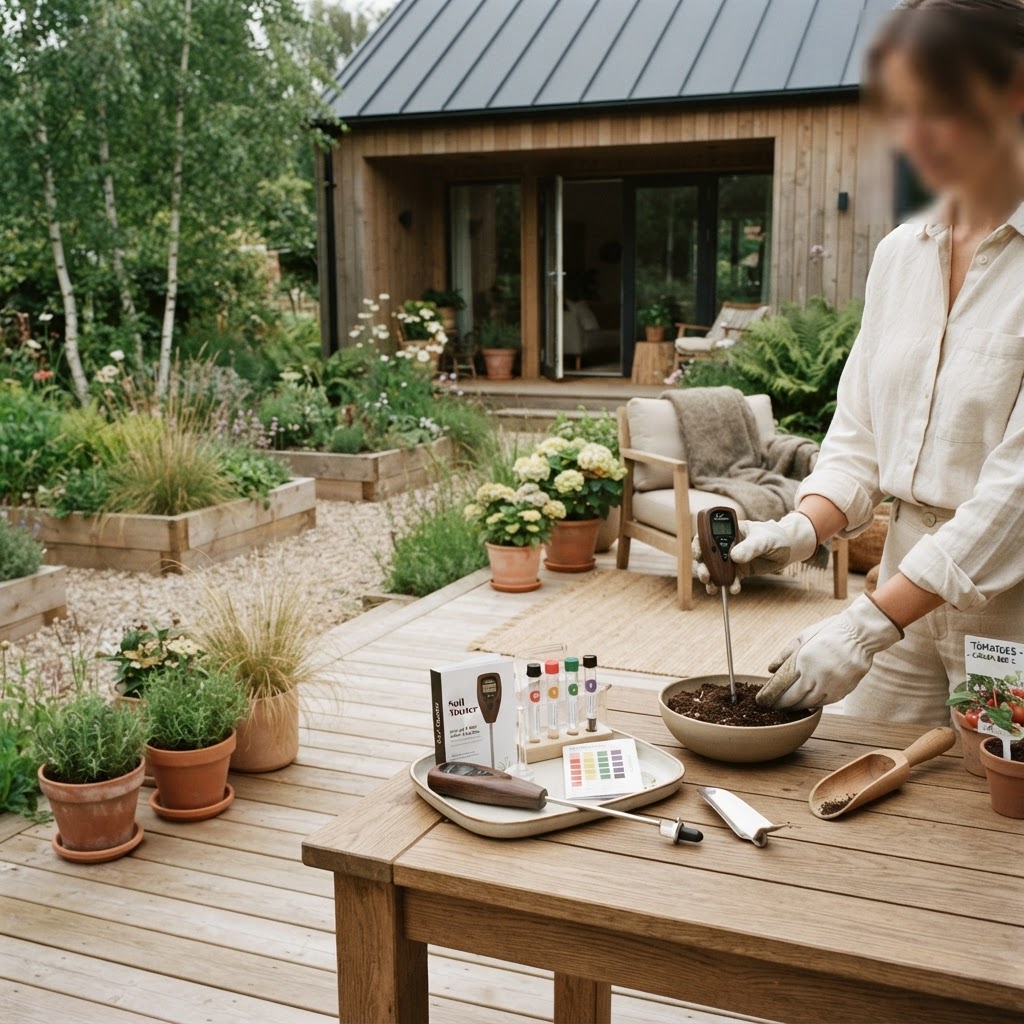
When researching the best soil testing kits, you will find three primary categories: rapid-test probes, liquid indicator kits, and lab-based mail-in analysis. Probe-style testers are convenient for immediate, general readings of pH and moisture, making them great for quick spot checks. However, liquid indicator kits—which involve mixing soil samples with a chemical solution—are generally considered more accurate for measuring NPK levels at home. For those who want the absolute gold standard in accuracy, mail-in laboratory kits are superior. These professional services provide deep insights into micronutrients and soil organic matter that home kits simply cannot detect. If you are preparing to set up a new area or choosing the best vegetables to grow in a small garden, start with an at-home kit for a baseline, then consider a laboratory analysis if you continue to see plant stress despite your best efforts.
DIY Testing Versus Professional Lab Kits
Selecting the best soil testing kits requires looking beyond just the price tag. You need to verify if the kit tests for the specific nutrients you care about. Most quality kits will measure NPK, but the most comprehensive ones also check for pH levels, which dictate how well plants absorb those nutrients. Look for kits that provide easy-to-read color cards or digital displays, as ambiguity in color matching is the most common cause of error in DIY testing. Durability is another factor; if you plan on testing multiple areas—perhaps checking both your lawn and your raised bed gardening tips for beginners—look for kits that offer multiple test capsules or long-lasting probe sensors. We recommend checking our recommended products section, where we feature kits that have been vetted for consistency, ease of use, and readability, ensuring you get the most value for your gardening budget.
How to Properly Sample Your Garden Soil
The debate between DIY testing and professional lab kits often comes down to depth versus convenience. Home kits are excellent for routine monitoring, such as checking your pH levels before planting delicate blooms or starting your how to grow herbs indoors year round project. They provide quick answers that help you adjust your soil amendments immediately. However, labs offer a scientific breakdown that is invaluable for long-term planning, detecting heavy metal contamination, or managing large-scale soil health issues. If you are serious about long-term success, consider the two-pronged approach: use a high-quality home kit for monthly maintenance and seasonal tracking, and send a sample to a lab every three years to calibrate your understanding of the soil. This balanced method ensures that your garden remains resilient and that you are not over-applying amendments, which can ironically lead to nutrient runoff and poor environmental health.
Interpreting Your Soil Test Results
Accurate results start with accurate sampling. To get the best data, clear away any surface debris, mulch, or grass from your sample area. Use a clean, non-metallic tool to dig down about six inches, as this is where the bulk of your plant roots are active. You should take small samples from several different spots in the same garden bed, then mix them together in a clean bucket to create a composite sample. This gives you an average reading of the entire area rather than just a single point. If you are struggling with poor drainage or nutrient uptake in your container gardening ideas for small spaces, be sure to test the potting mix specifically, as it will differ significantly from your native landscape soil. Always handle the samples with clean hands or gloves to avoid contaminating the soil with oils or minerals from your skin, which can skew the testing results significantly.
Taking Action to Improve Your Soil Quality
Once you have your results, the real work begins. If your pH is too low (acidic), you might need to incorporate lime, while high pH (alkaline) soils often benefit from elemental sulfur or organic peat moss. For low NPK levels, this is the perfect time to look into how to improve garden soil naturally using compost, aged manure, or cover crops. Understanding your data allows you to focus your efforts. For instance, if your nitrogen is adequate but phosphorus is lacking, you don't need a generic 'all-purpose' fertilizer; you can target the deficiency specifically. Keeping a garden journal alongside your test results is a brilliant way to track improvements over time. By documenting what you added and how your plants responded to those amendments, you will eventually develop an intuitive feel for your garden's unique chemistry, making the process much easier in future seasons.
Final Thoughts on Maintaining Soil Health
Improving your soil is an ongoing process of replenishment. After you have used the best soil testing kits to identify your needs, focus on long-term structural improvements rather than just quick chemical fixes. Amending your soil with high-quality organic matter, such as compost you made using easy composting tips for home gardeners, is the best way to improve aeration and nutrient-holding capacity. If you notice your plants are struggling despite 'good' chemistry results, reconsider your routine, such as how often should you water your garden, as moisture levels heavily influence nutrient uptake. Remember that the goal is to build a living ecosystem within the dirt. By fostering beneficial microbes and earthworms, you create a self-sustaining cycle where nutrients are continuously broken down and released, making the need for synthetic additives minimal over time.
Finally, remember that gardening is a journey of patience and observation. Using the best soil testing kits provides the data, but your eyes remain your most important tool. Look for vibrant leaves, strong stems, and steady growth. When you integrate soil testing into your seasonal gardening checklist for better harvests, you take the guesswork out of the equation. Whether you are nurturing a small urban balcony or an expansive backyard sanctuary, taking the time to understand your soil ensures that every seed you plant has the best possible start. Explore our recommended products page to find tools that will make your testing process seamless and efficient. At Klinta Garden, we are here to support your growth, one soil test at a time, helping you build a sustainable and beautiful outdoor space that you can enjoy for many years to come.
Frequently Asked Questions
Recommended Products
Looking for products we personally recommend for this niche?
See our complete list of trusted tools and recommended products.
Browse Recommended Products