This article may contain affiliate links. If you buy through our links, we may earn a commission at no extra cost to you.
In This Article
Why You Need a Reliable Garden Watering Timer
In the fast-paced world of modern living, finding the time to manually water your garden every single day can become a chore that leads to neglected plants. At Klinta Garden, we believe that outdoor spaces should be a source of calm rather than a source of stress, which is why investing in the best garden watering systems often begins with a high-quality timer. An automated timer ensures your plants receive consistent moisture exactly when they need it most, even when you are away on vacation or busy with work commitments.
Understanding the Different Types of Irrigation Timers
A quality watering timer is the secret weapon for any successful gardener, acting as the bridge between manual labor and total peace of mind. By automating your irrigation, you prevent the common pitfalls of over-watering or under-watering, both of which can damage delicate root systems. If you are learning how often should you water your garden, a timer allows you to set precise schedules that match the specific needs of your plants. This level of consistency is particularly important during the peak of summer when heat stress can compromise your harvest. When paired with recommended products found in our shop, a timer can drastically reduce the amount of time you spend on daily maintenance, allowing you to spend more time enjoying your outdoor sanctuary.
Key Features to Consider Before You Buy
When you begin your search for the best garden watering timers, you will quickly notice they generally fall into two categories: mechanical and digital. Mechanical timers are essentially glorified kitchen timers that shut off the water flow after a set amount of time; they are incredibly simple to use and perfect for those who want a low-tech solution. Digital timers, on the other hand, offer programmable schedules, multiple watering zones, and advanced features. For those starting their journey with a beginners-guide-to-starting-a-home-garden, digital models are often the better investment because they adapt as your garden grows. Regardless of which type you choose, matching the timer to your water pressure and faucet type is essential to avoid leaks or mechanical failure during the season.
Smart Features and Connectivity Options
Before finalizing your purchase, consider the physical constraints of your garden, such as the number of outlets and the zones you need to manage. Many modern timers now support multi-zone configurations, allowing you to water your vegetable patch on a different schedule than your decorative flower beds. This is vital when you consider the best-vegetables-to-grow-in-a-small-garden, as some crops require more frequent hydration than others. You should also check for features like a manual override button, which allows you to bypass the schedule for emergency watering without needing to reprogram the entire system. Don't forget to look at the interface; a clear, readable screen is essential for making adjustments on a bright, sunny day when you are already out checking on your raised-bed-gardening-tips-for-beginners.
Durability and Weather Resistance
The newest generation of gardening gear includes smart timers that connect directly to your home Wi-Fi or smartphone via Bluetooth. These devices offer unparalleled control, allowing you to delay your watering schedule if the weather forecast predicts heavy rain. This functionality is a major game-changer for eco-conscious gardeners who want to conserve water and ensure their how-to-improve-garden-soil-naturally practices aren't washed away by excessive runoff. By syncing your irrigation with real-time weather data, you essentially create a self-regulating ecosystem that responds to nature rather than ignoring it. While these systems may require a slightly higher initial investment, the long-term water savings and improved plant health make them an excellent value for any serious home gardener.
Installation Tips for Your New Timer
Since your timer will spend the entire season outside, it needs to be built to withstand the elements, including direct UV rays and potential freezing temperatures. Look for units that are rated as weatherproof or IP-rated for outdoor use to ensure internal electronics are protected from water ingress. If you live in an area with harsh winters, you will also want a model that is easy to disconnect and bring indoors during the colder months. Pairing a durable timer with best-garden-hoses that won't crack under pressure is a simple way to create a bulletproof irrigation setup. Keeping your equipment clean and debris-free is just as important as the initial build quality, so look for models that feature easy-access mesh filters to catch sediment.
Maximizing Water Efficiency with Proper Scheduling
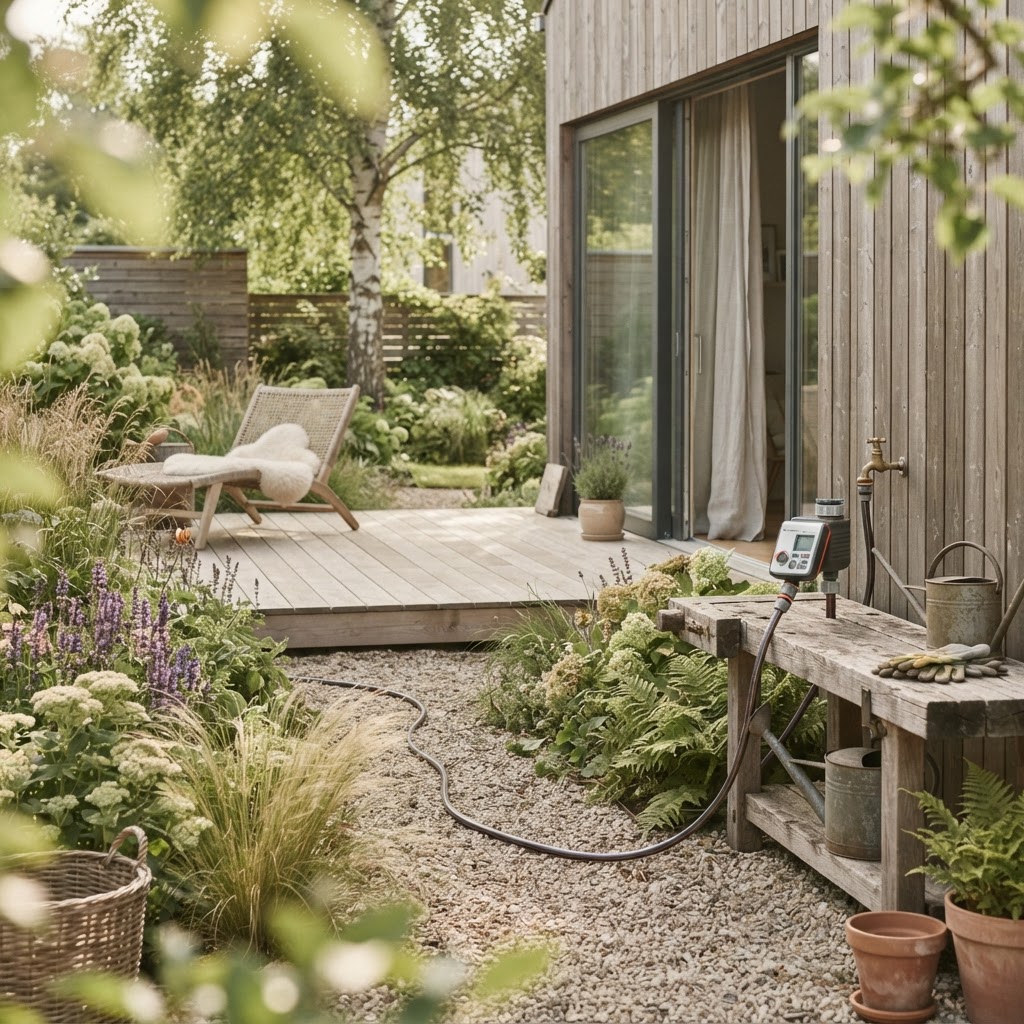
Installation is generally a straightforward process that doesn't require professional help or complex tools. Most timers are designed to screw directly onto a standard outdoor faucet, and they typically feature a threaded port for your hose or drip irrigation system. Ensure you have a firm grip and perhaps a pair of pliers, but be careful not to overtighten, as plastic threads can strip easily. If you are setting up a complex system for container-gardening-ideas-for-small-spaces, ensure the timer is positioned correctly so the screen remains accessible. Once connected, perform a test run to check for any leaks at the connection point; a small amount of plumber's tape can work wonders if you notice any persistent dripping at the faucet interface.
To get the most out of your setup, it is important to program your watering during the early morning hours, which minimizes evaporation and helps reduce the risk of fungal growth on leaves. This is a crucial step if you have been spending time on how-to-grow-herbs-indoors-year-round or outdoor herb patches where excess moisture on foliage is detrimental. Use the scheduler to deep-water at less frequent intervals rather than doing quick, shallow waterings every day, as this encourages roots to grow deeper into the soil. Following a seasonal-gardening-checklist-for-better-harvests will help you adjust these settings as the seasons change, ensuring your plants get exactly what they need as temperatures fluctuate from spring to peak summer heat.
Frequently Asked Questions
Recommended Products
Looking for products we personally recommend for this niche?
See our complete list of trusted tools and recommended products.
Browse Recommended Products